IT'SURREAL | 2010
현실속의 초현실
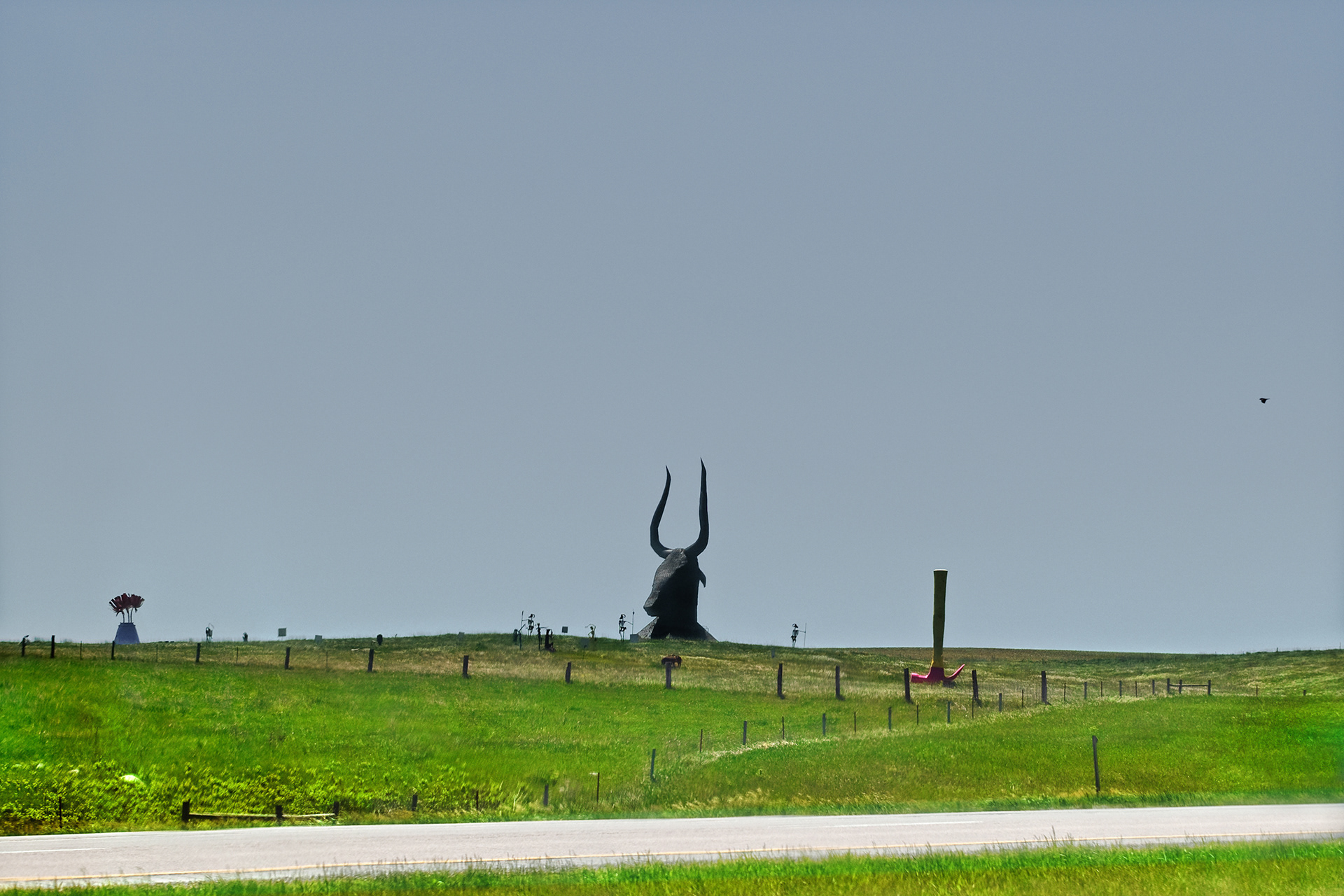
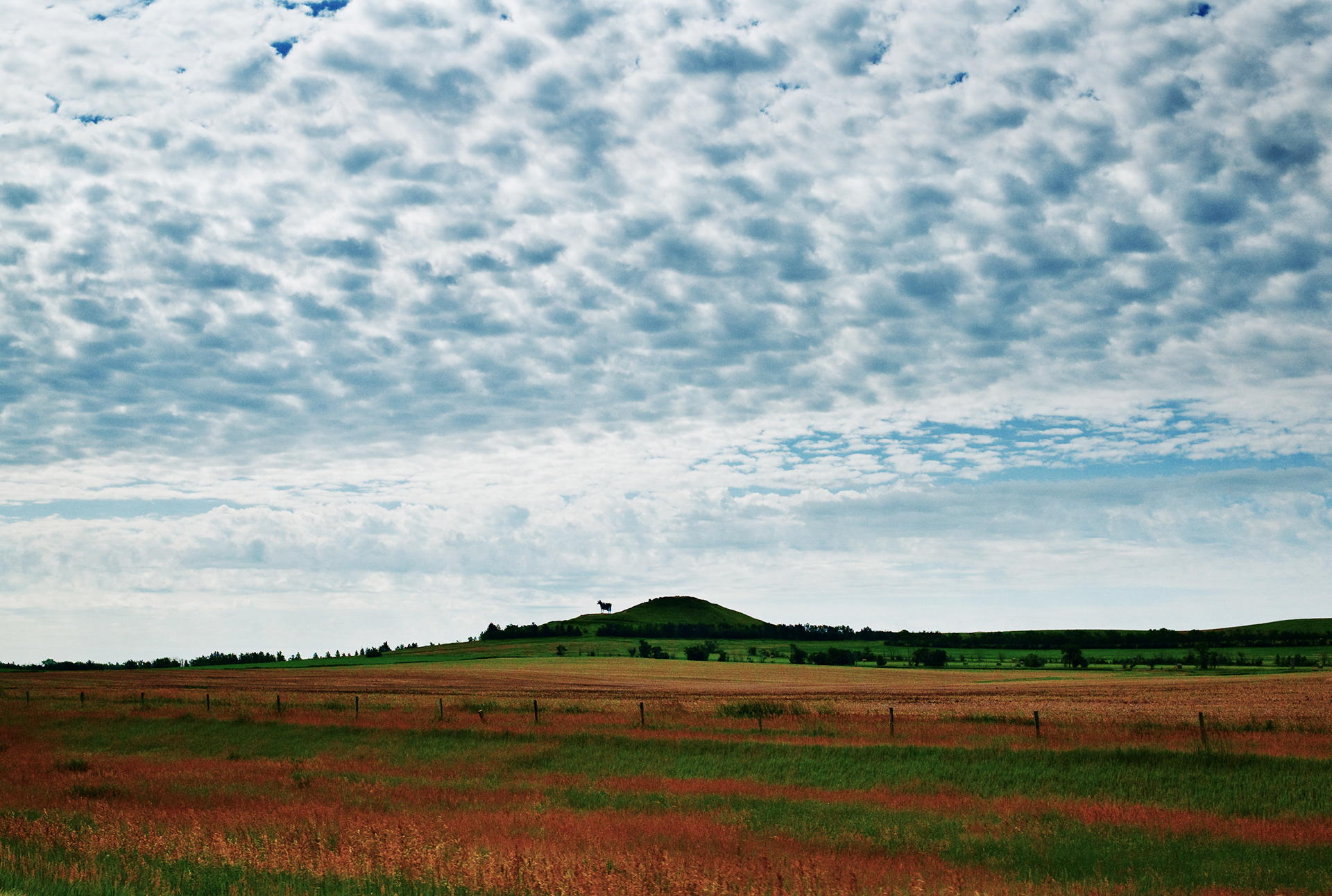
드넓은 초원 지평선에 고개를 내민 거대한 동물. 뭐지? 구름낀 하늘 아래 매끄럽고 낮게 뻗어 있는 능선에 경비병처럼 서 있는 젖소 한 마리. 왜 저렇게 커? 그것들이 조각이라는 생각에 앞서 그 광경의 비현실적인 비율에 더 관심이 갔던 것은 작가의 예술적 동심에 기인한다.
비논리적, 비현실적 풍경은 이번 전시회에서 작가 이호도가 보여주고자 하는 사진예술의 가능성 중의 하나이다. 초현실을 표현하는 것은 미술에서나 가능한 것이고 사진은 항상 실재를 전제했었다. 켄타우렌을 그릴 수는 있다. 그것을 사진으로 찍자면 만든 것이라도 카메라 앞에 세워야 한다. 이렇게 미술에서나 가능했던 초현실세계가 사진으로 넘어온 것은 얼마 전에 일이었다. 먼저 아날로그 사진작가들이 가위와 접착제와 붓으로 현실들을 비현실적으로 조립했었다. 그후 디지털 카메라와 컴퓨터는 완벽하게 초현실적 사태를 조립할 수 있는 가능성을 사진작가들에게 열어 주었다. 오늘날 아날로그 작가들도 때로 결과물을 스캔하여 컴퓨터 작업을 통해 모티브를 결합하고 색을 변화시킨다. 결과물의 변형을 원치 않는 작가들은 퍼포먼스나 장면구성을 통해 ‘비현실적인 현실’을 작품화한다. ‘사진은 실재의 보도이자 기록’라는 공식은 낡은 자부심이다. 그렇다고 이호도의 작업들이 몽타쥬나 장면구성의 결과라는 것은 아니다. 작가는 장면구성없이, 이미지 조립없이 현실속의 비현실, 실재지만 비실재처럼 보이는 관계를 보여주고 있다.
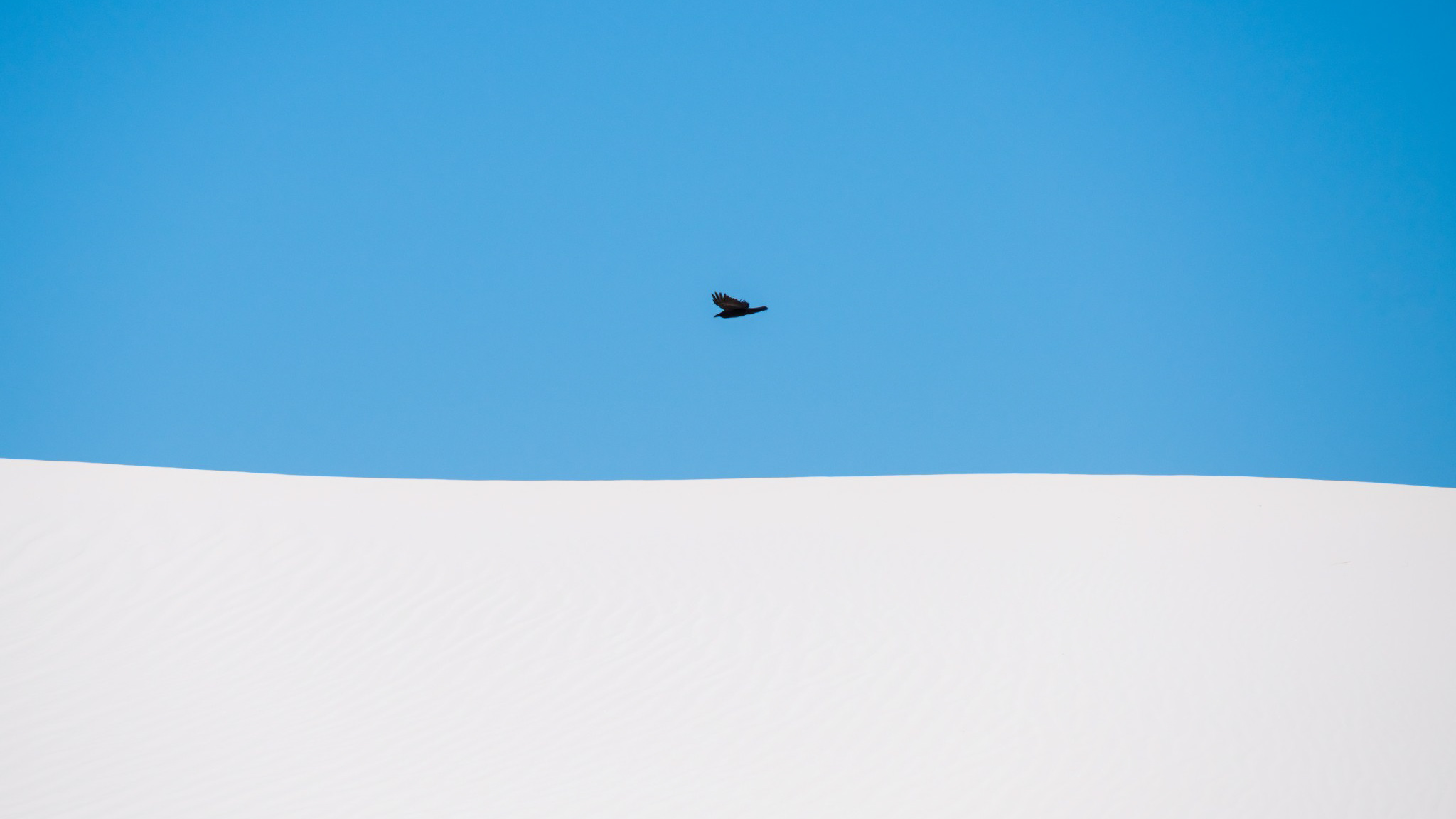
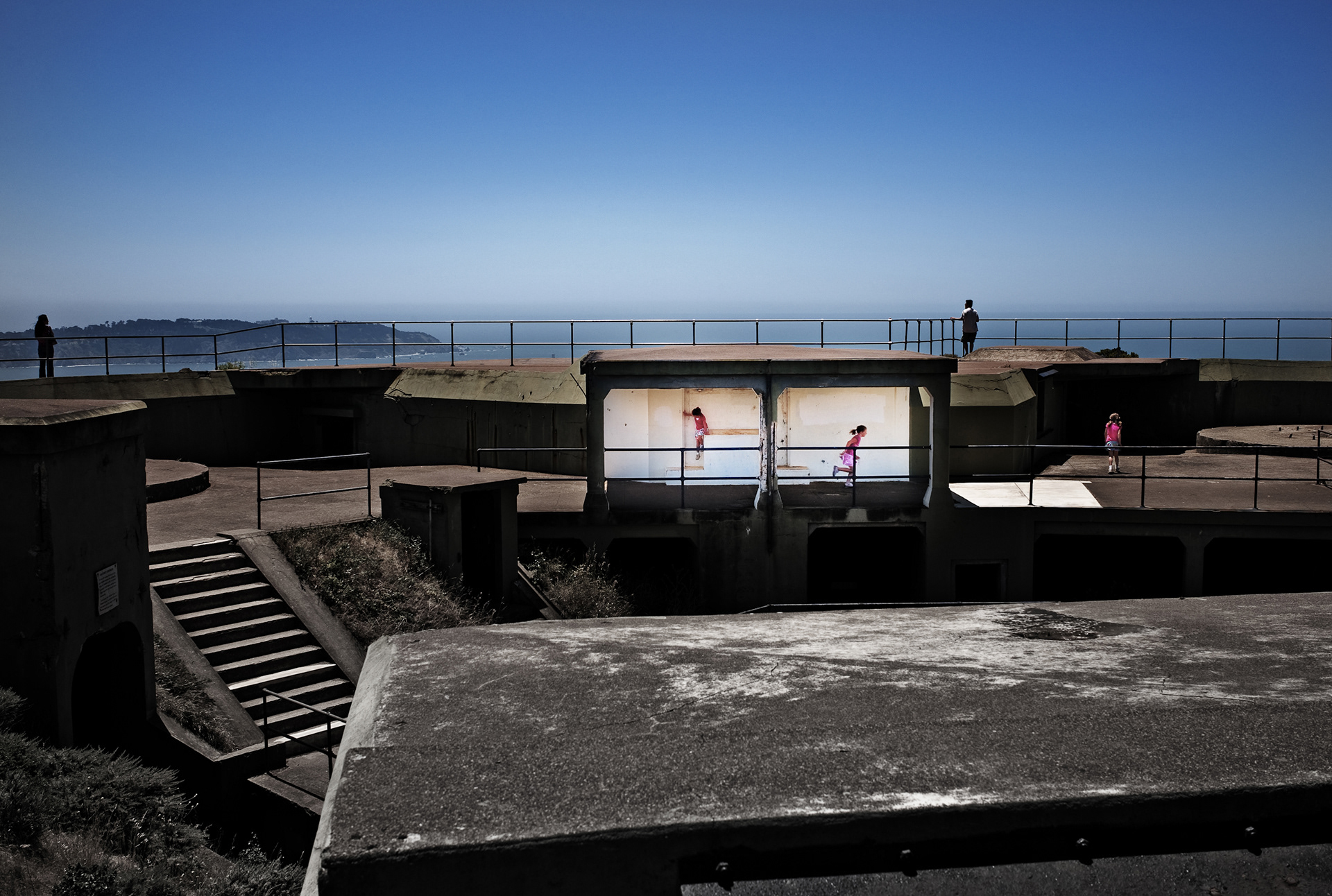
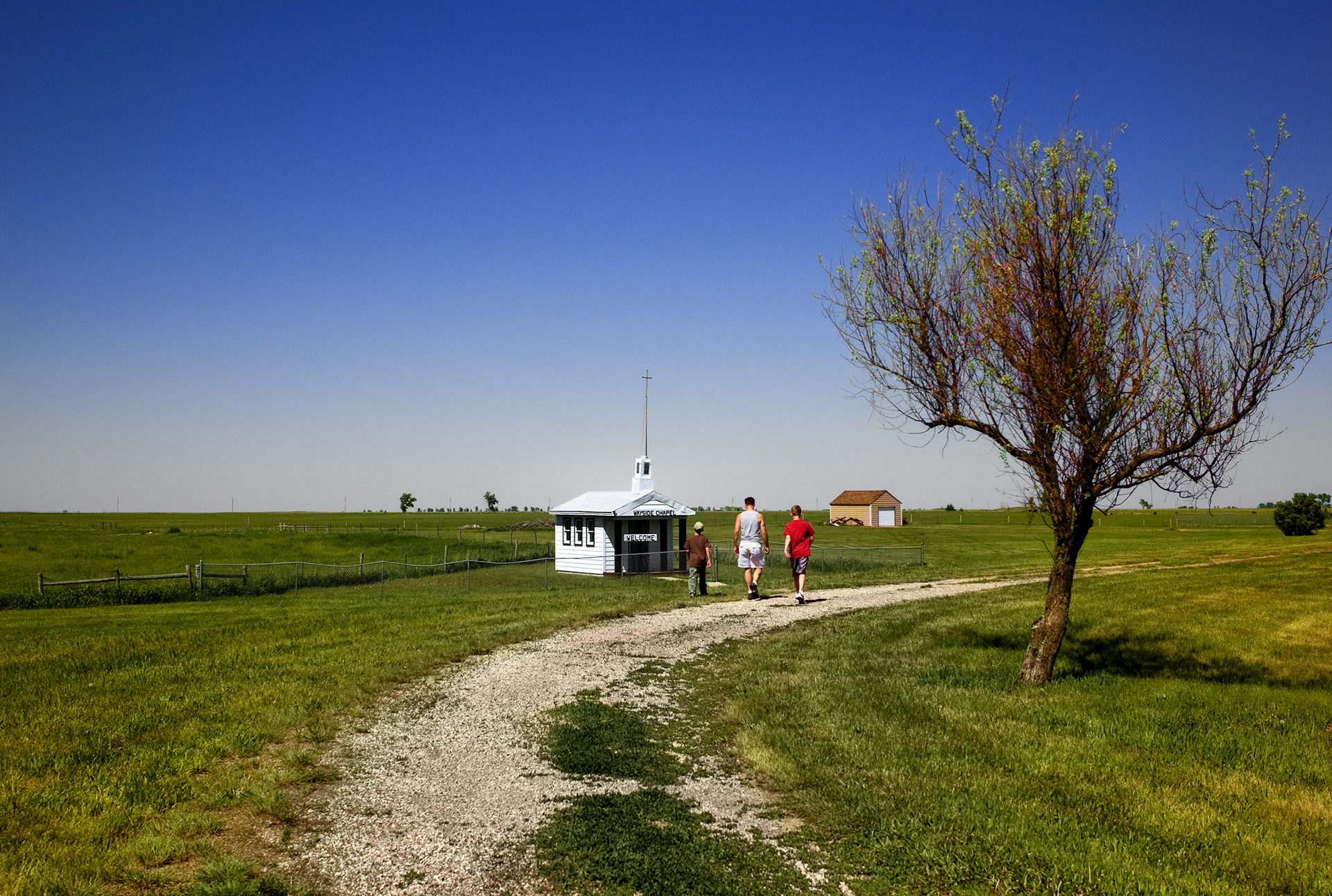
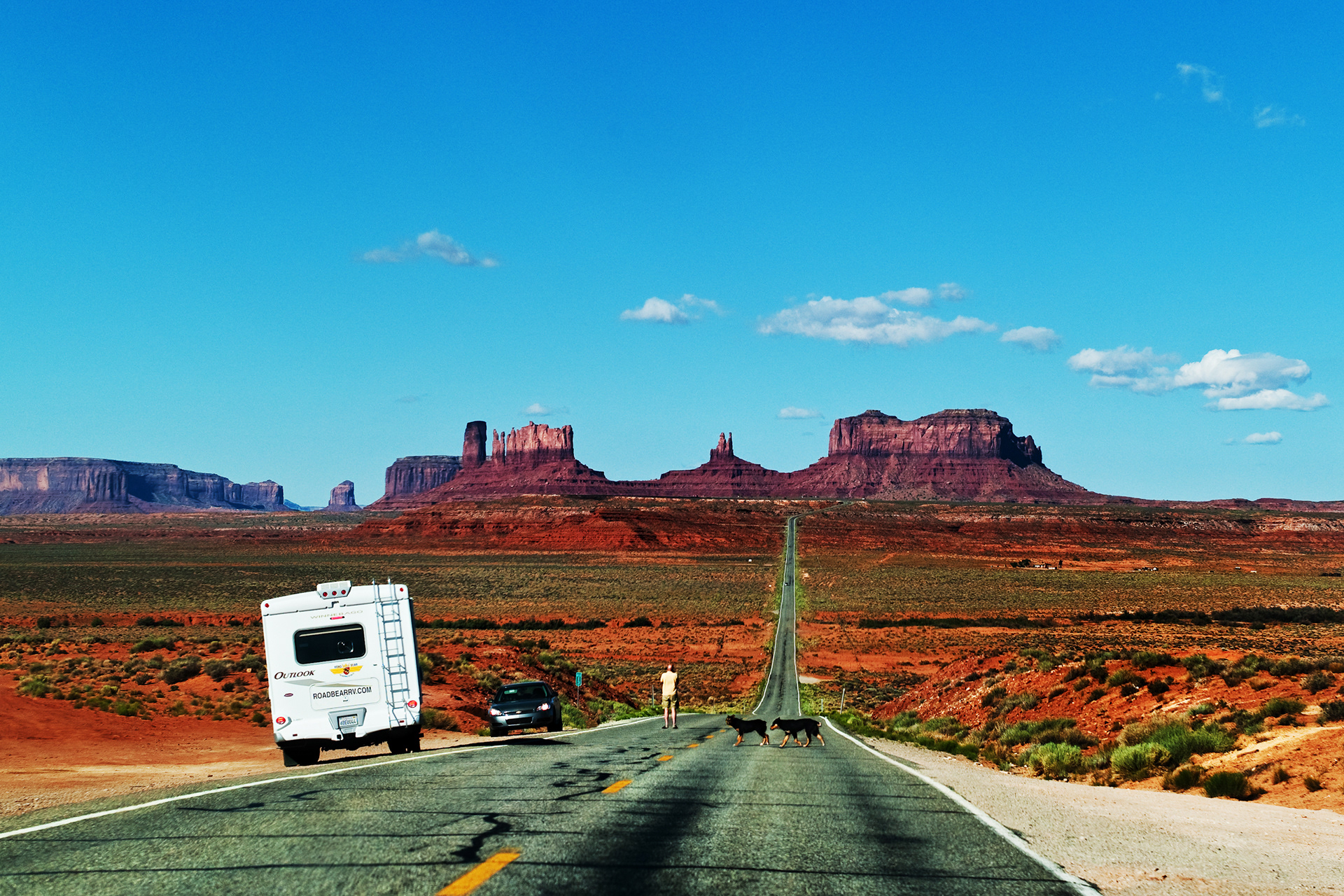
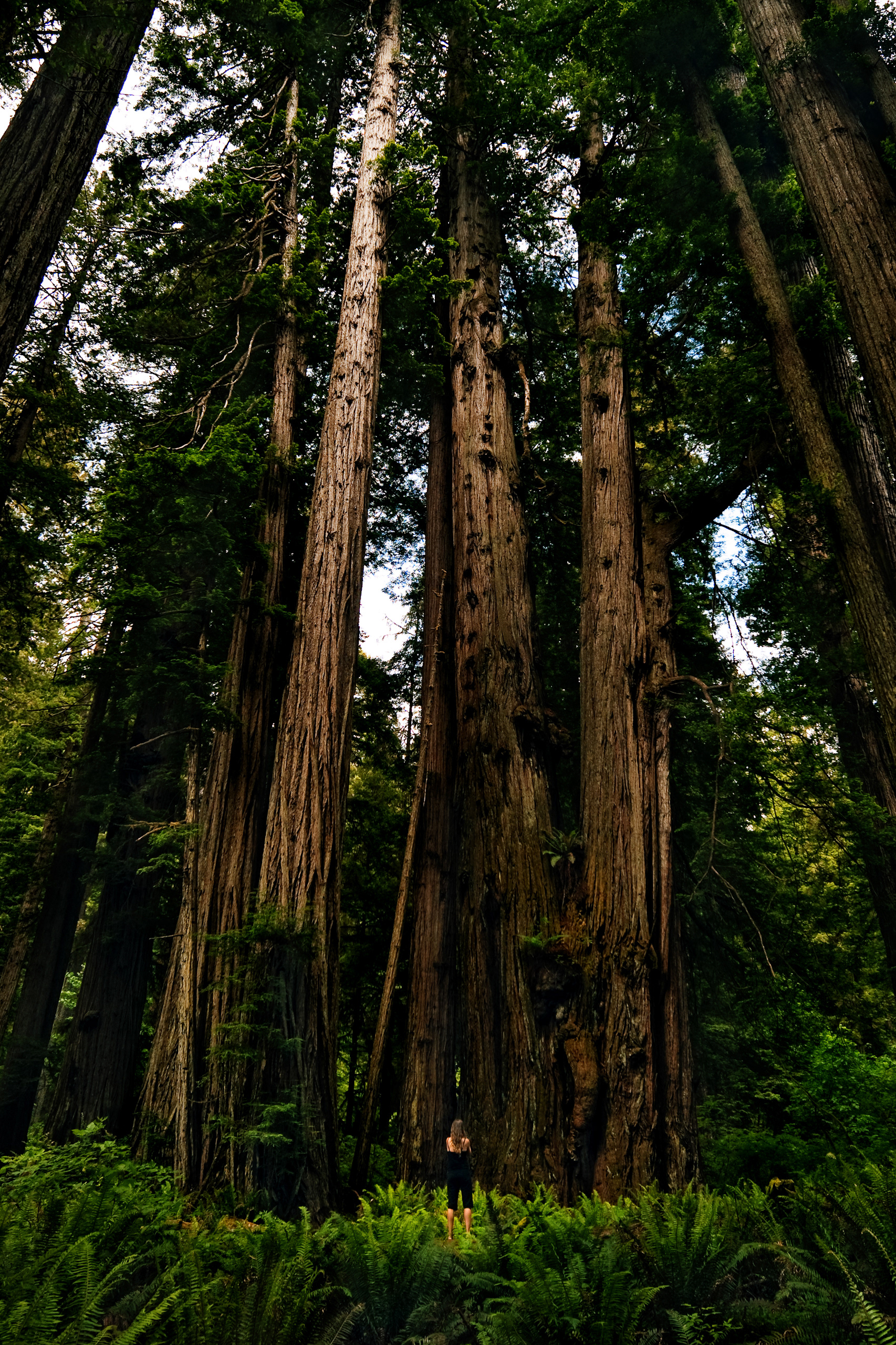
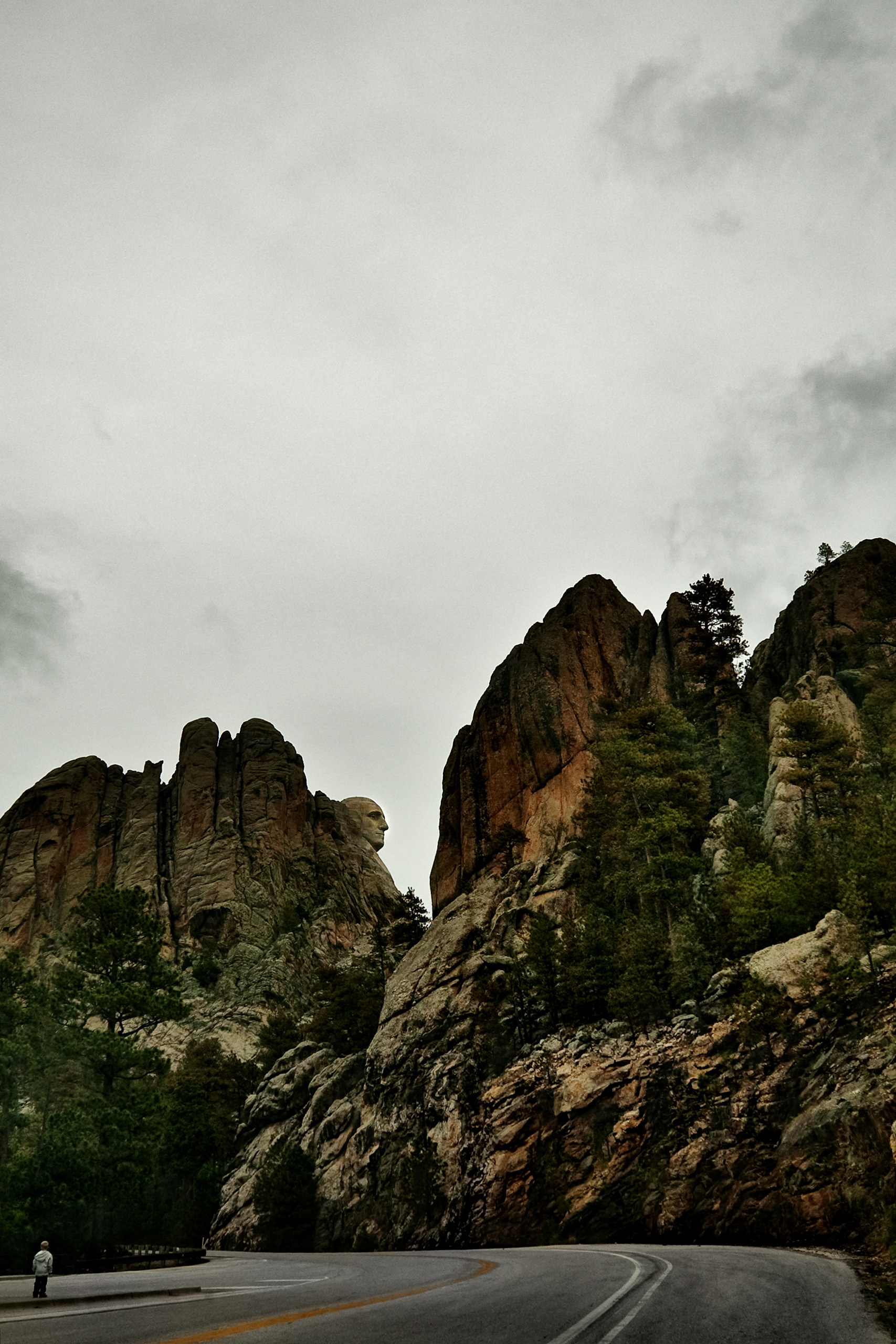
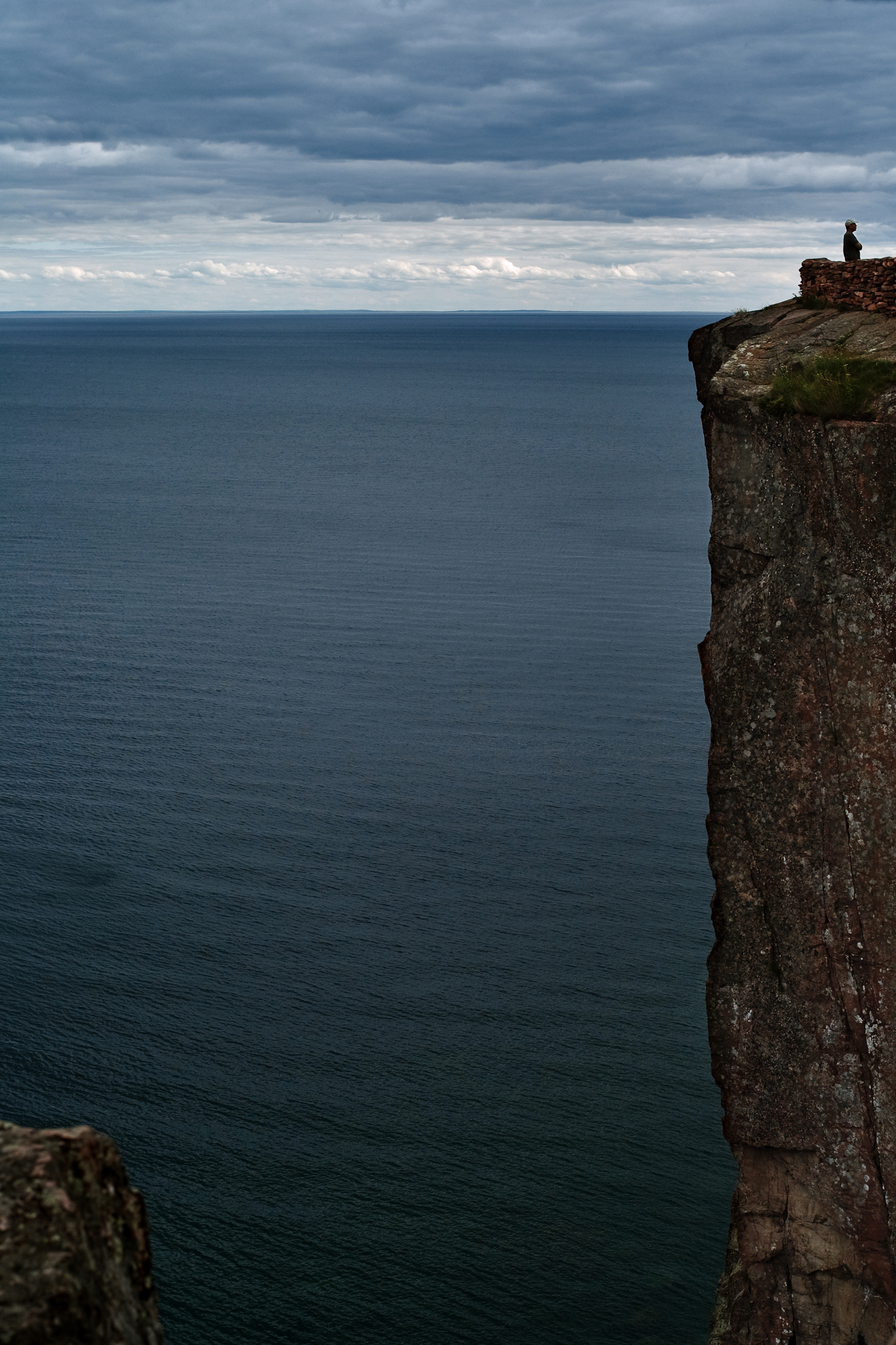
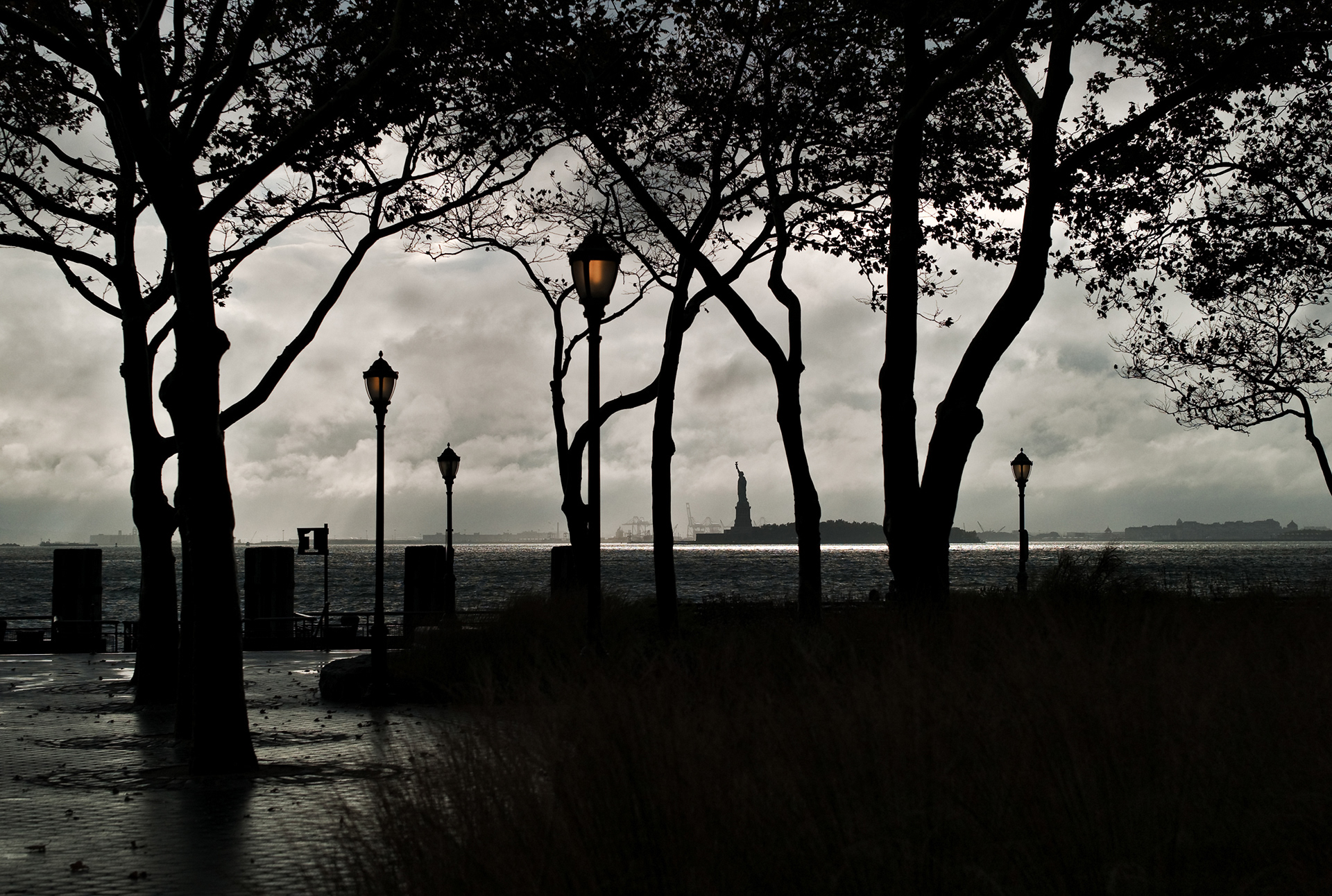
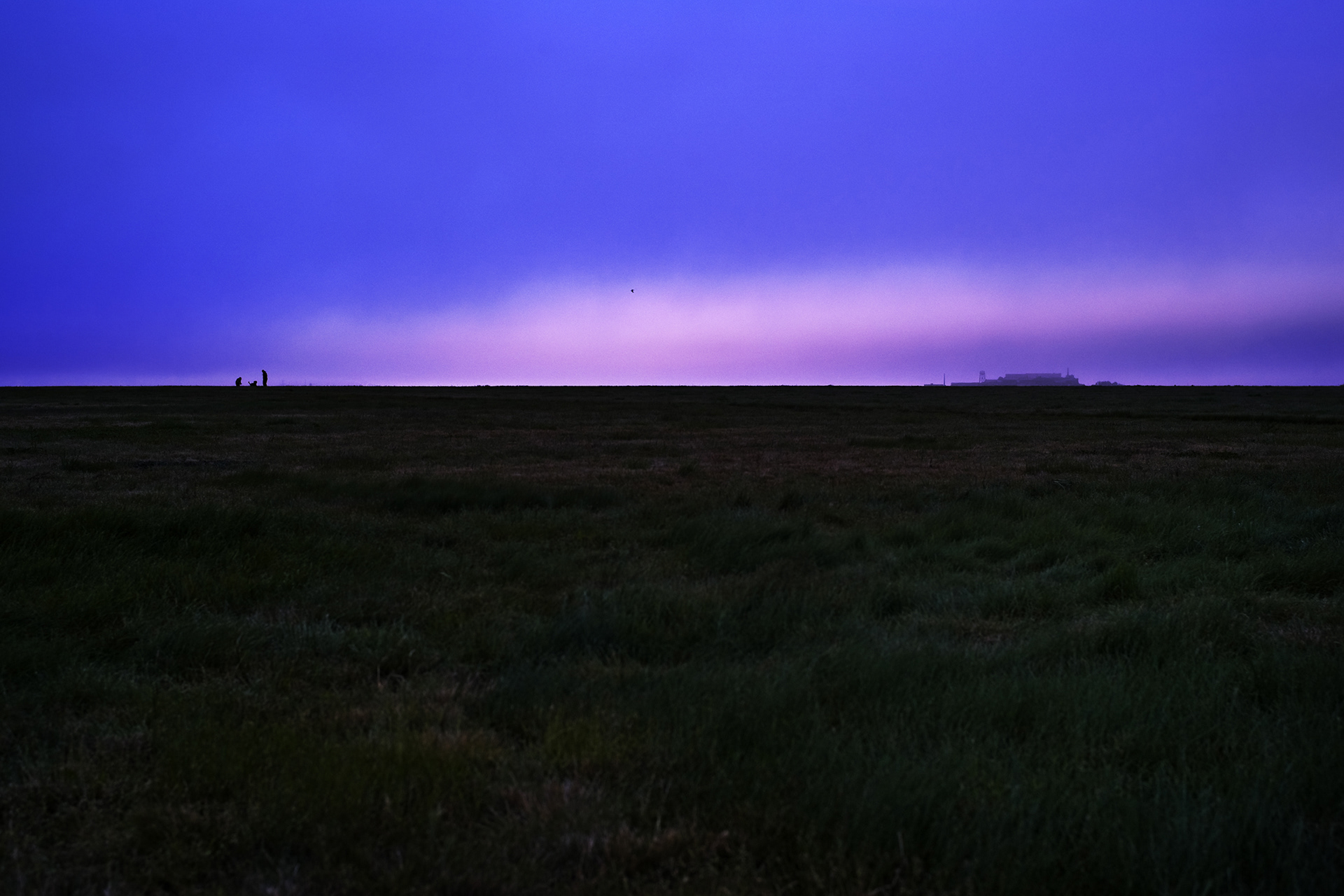
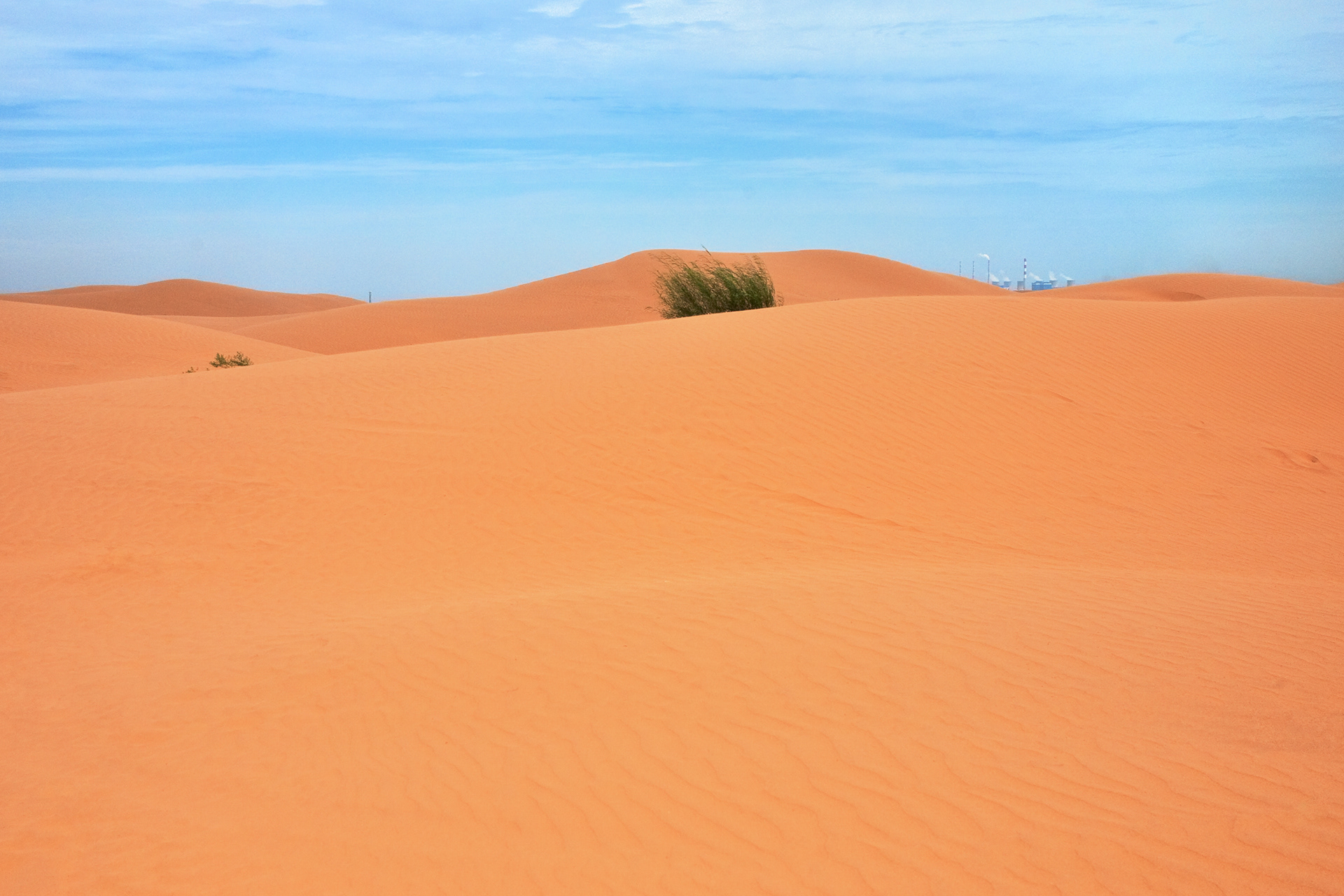
알카트라즈가 보이는 지평선 위에 산책 나온 사람들과 하늘의 새 한 마리, 한적한 고속도로 위에 어디서 왔는지 모를 개 두 마리, 산책로 곁에 유난히도 작은 교회당, 절벽 위 바다를 등진 관광객 등등은 작가가 전통적 사진기능에 충실하면서 보여주는 픽셔널한 광경이다. 작가는 상상으로나 가능하고 꿈속에서나 볼 수 있는 ‘비정상적’, ‘비논리적’ 광경이 현실에도 있을 수 있음을 강조하려는 듯 보인다. 실제로 우리 현실에는 ‘현실’적으로 보이지 않는 관계들이 많지만, 그것이 부정할 수 없는 ‘실재’이기에 주목받지도 문제시되지도 않을 뿐이다. 이렇게 ‘낯선’, ‘의외의’, ‘초현실적’ 광경이 강렬하게 다가온 것은 아마도 작가의 예술적 관심에서이리라. 이호도 작품의 ‘초현실성’은 모티브들의 관계에서뿐만 아니라, 그 배경들의 색에서도 드러난다. ‘낯섬’, ‘다름성’, ‘초현실성’은 작가의 첫 작업에서부터 이어지는 작품성이다.
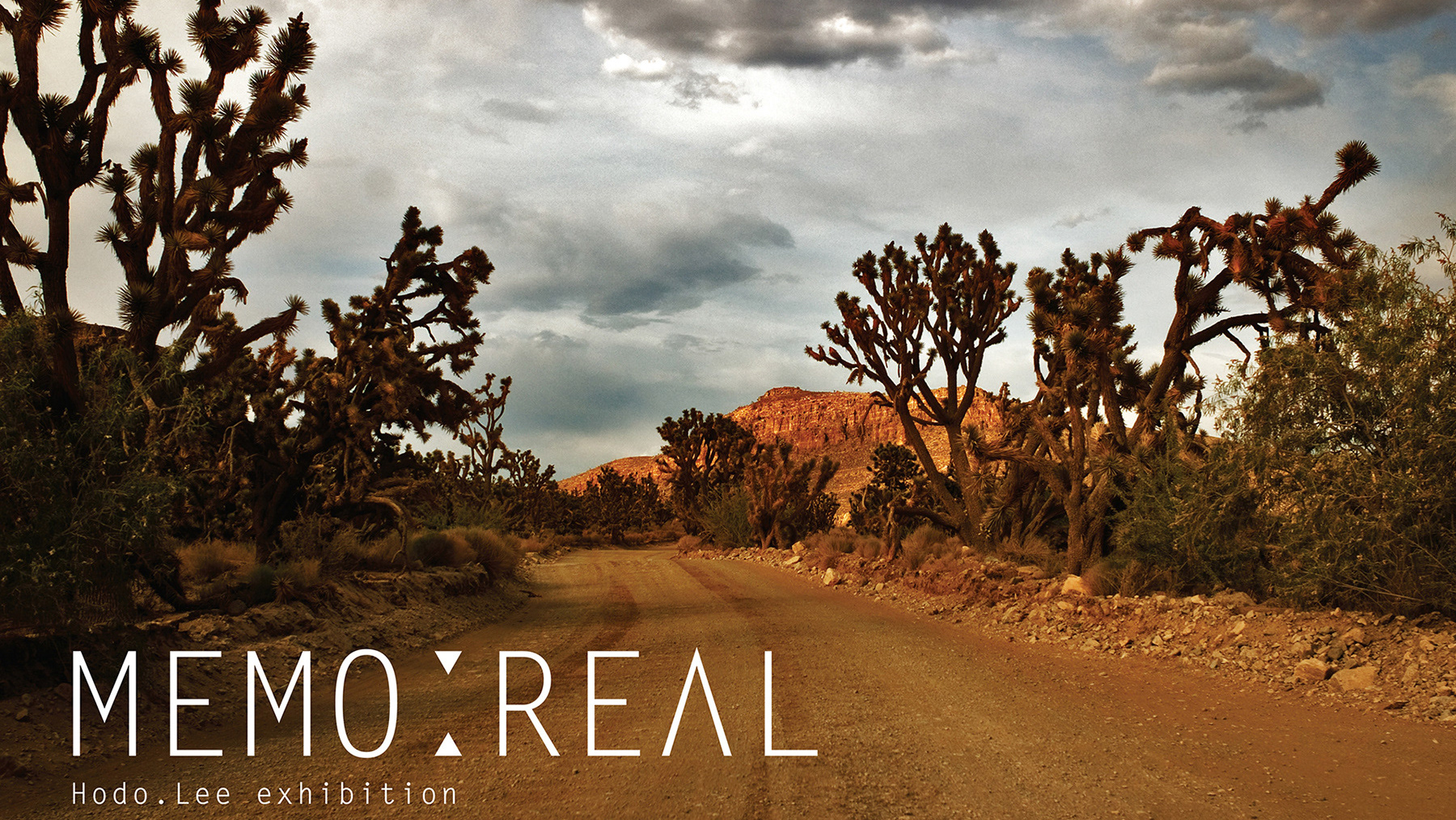
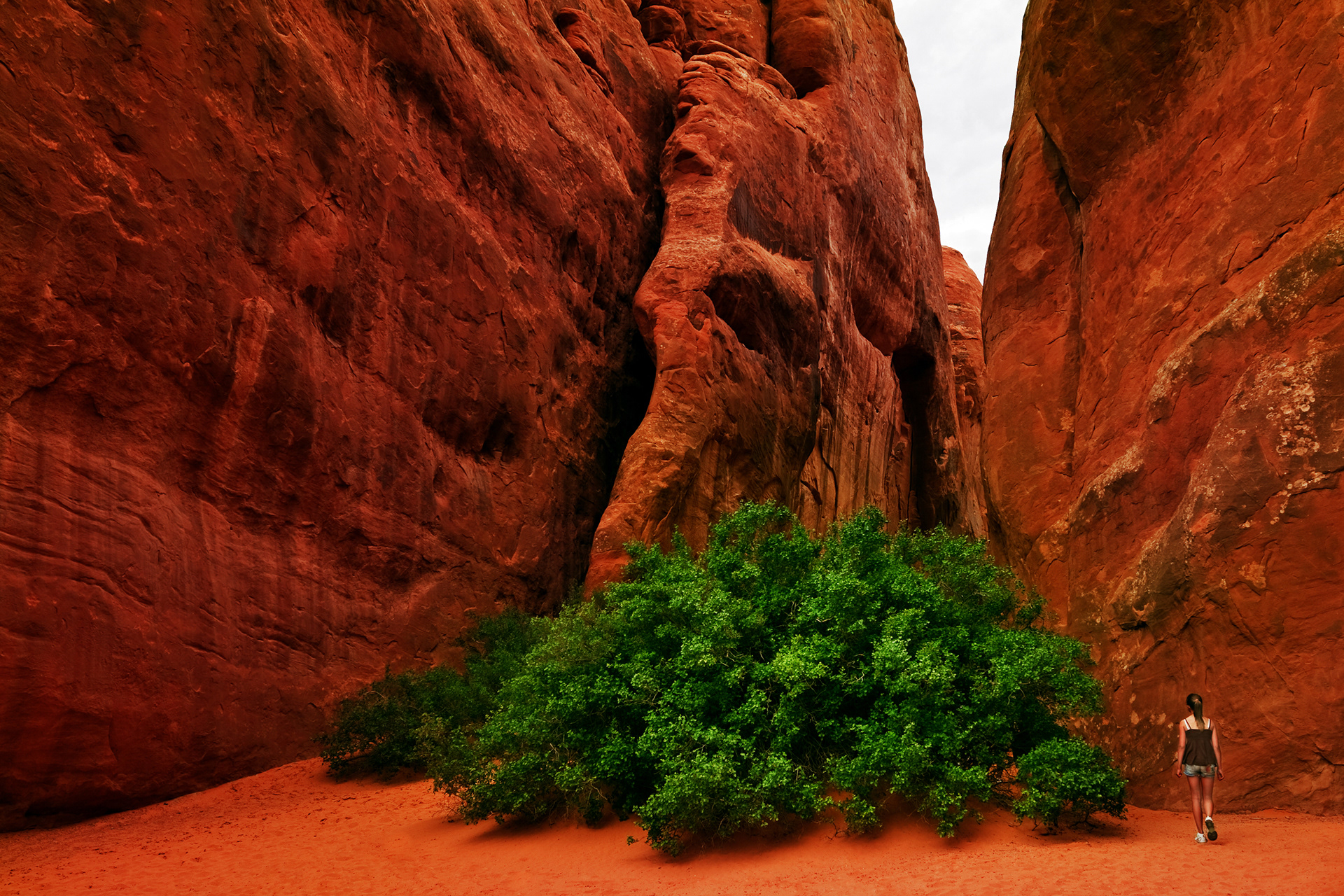
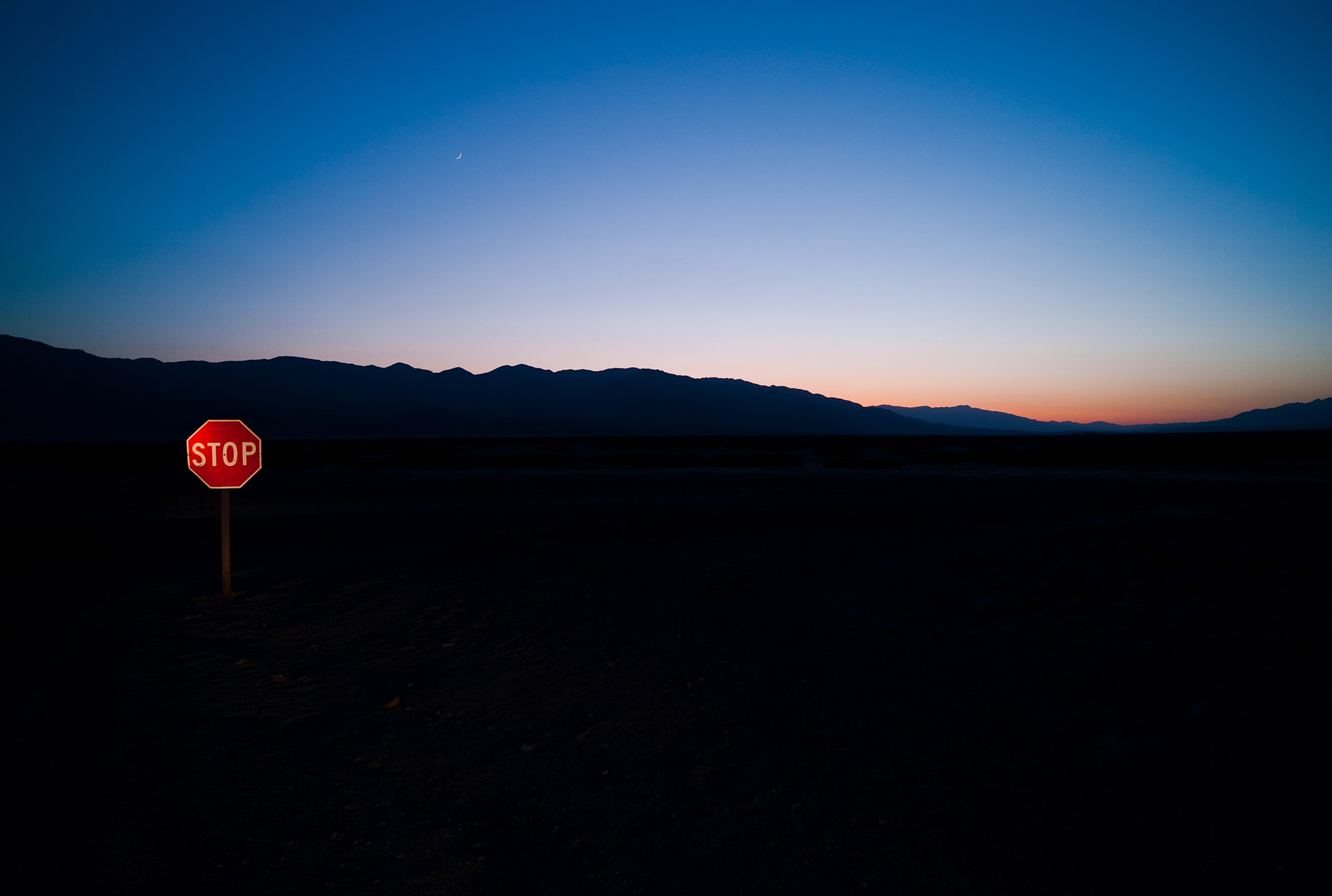
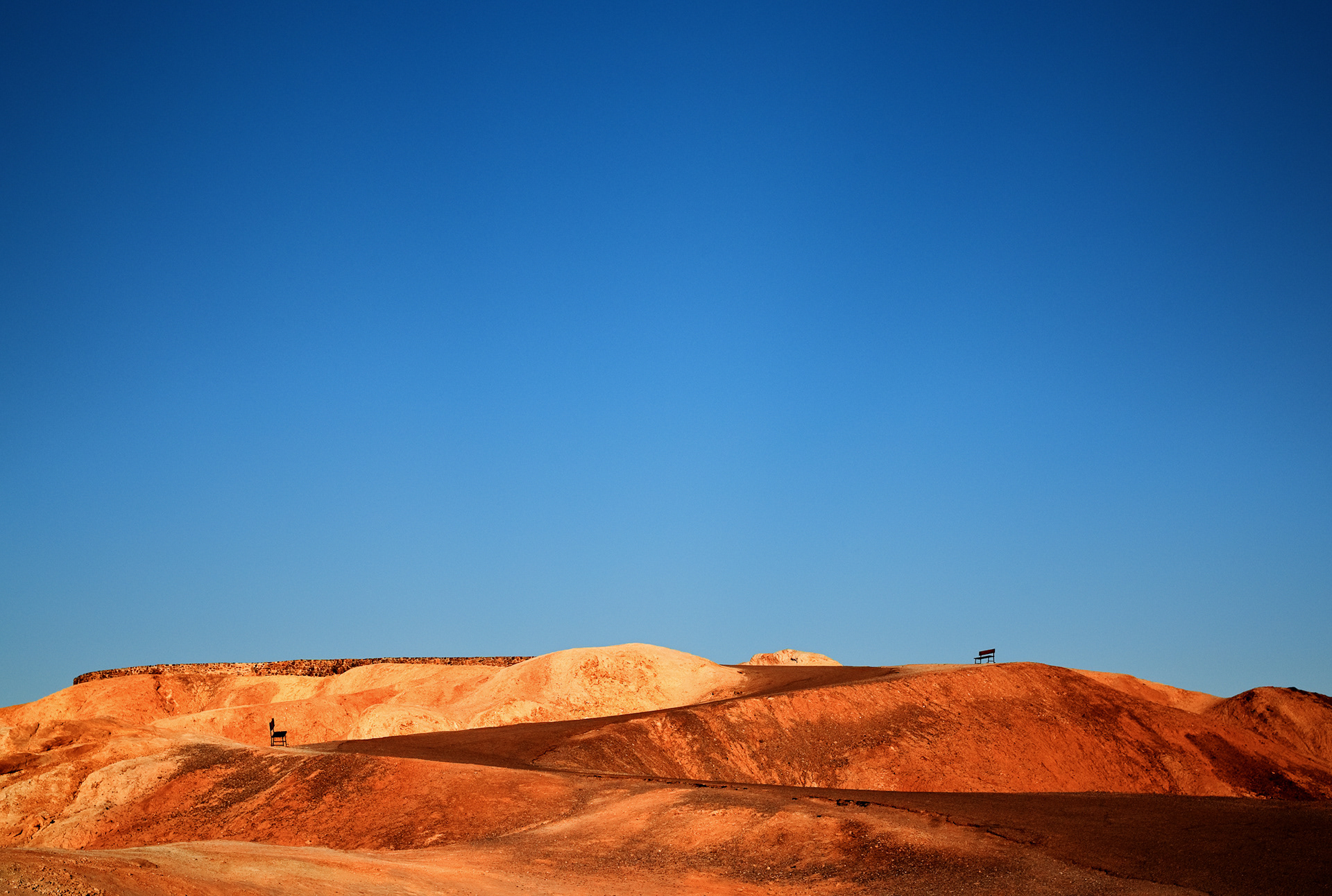
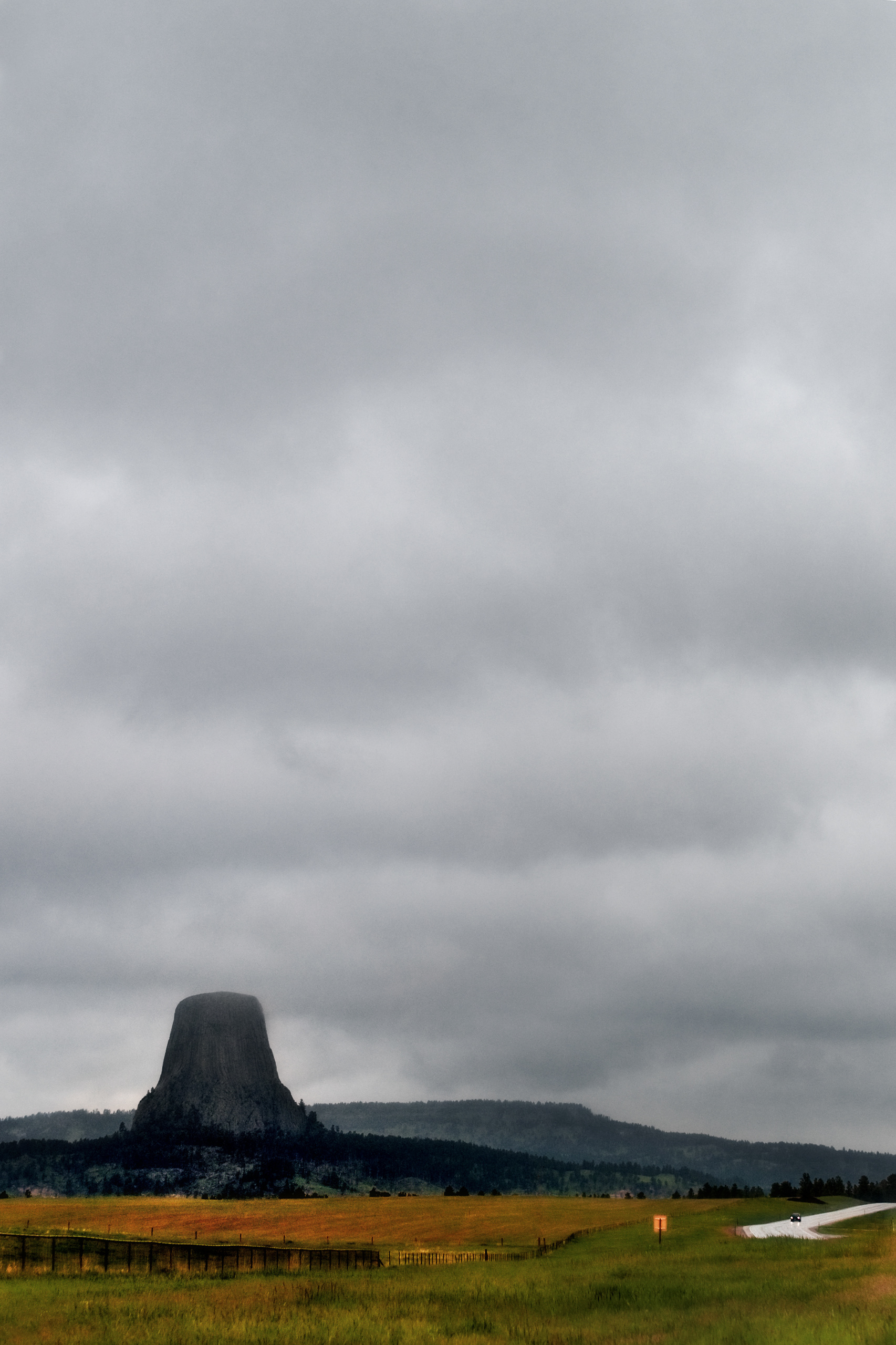
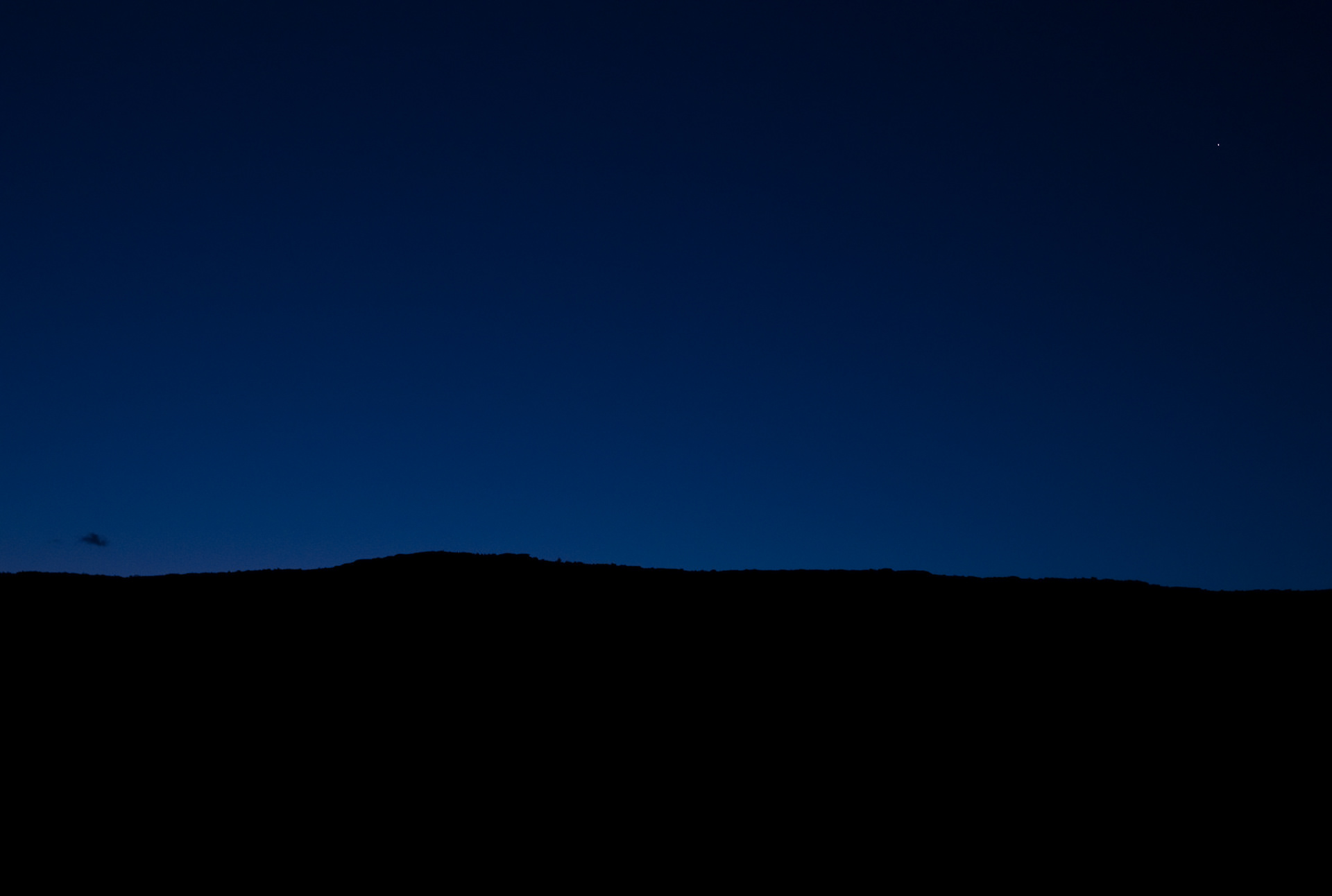
첫 작업 MEMO:REAL에서 선보인 작품들은 작가의 머릿속에 남은 미국 오지에 대한 ‘기억’들이다. 그러나 작가가 보여주는 것은 여느 여행사진에서 볼 수 있는 기묘한 절경이 아니라 ‘다른’ 풍경이다. 그리고 이 작품들을 '다르게' 만들어주는 ‘낯선 점’ 혹은 ‘초현실적인 점'은 구성상의 모티브가 아니라 그 색채였다. 늦은 오후 마지막 석양빛을 받는 그랜드 캐년, 어둠이 덮치기 시작하는 산맥과 지층, 지나는 차 하나 없이 지평선과 맞물려있는 고속도로 등, 다른 여행객들이 저녁식탁을 준비하기 위해 현장을 떠난 시간을 기다려 작가는 카메라 셔터를 누른 것이다. 낯익음에서 벗어나기 위해 후에 변화를 준 색은 ‘낯선’ 촬영시간에서 오는 어둠과 더불어 때로는 스산하고, 때로는 엄숙한 자연풍경이 생겨나고 있었다. 첫 작업에서 작가가 기억하고(MEMO:REAL) 있는 것은 익히 알려진 것과는 ‘다른 색’의 그랜드캐년, ‘초현실적’ 그랜드캐년, 그러나 미적인 그랜드캐년이다.
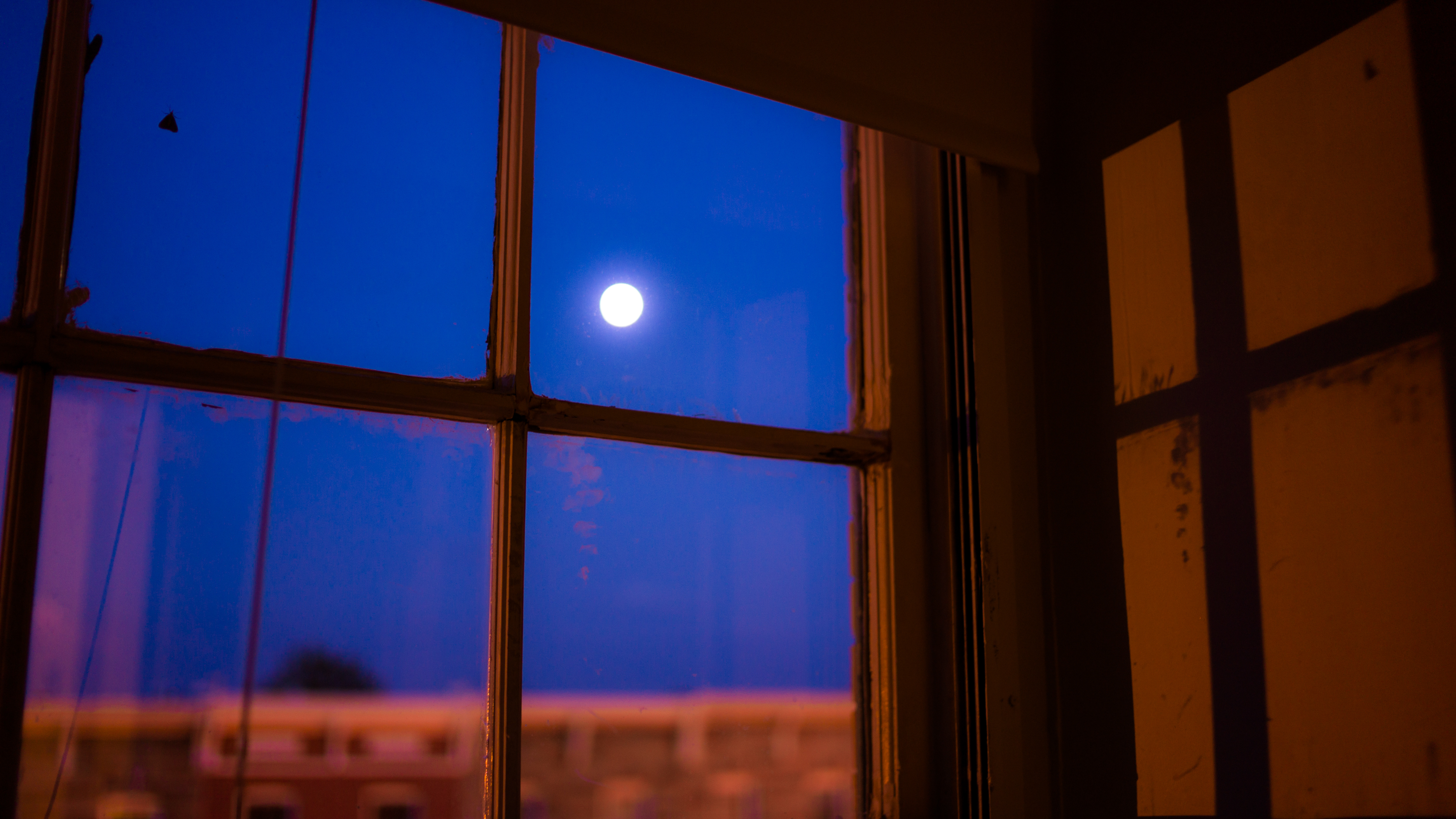
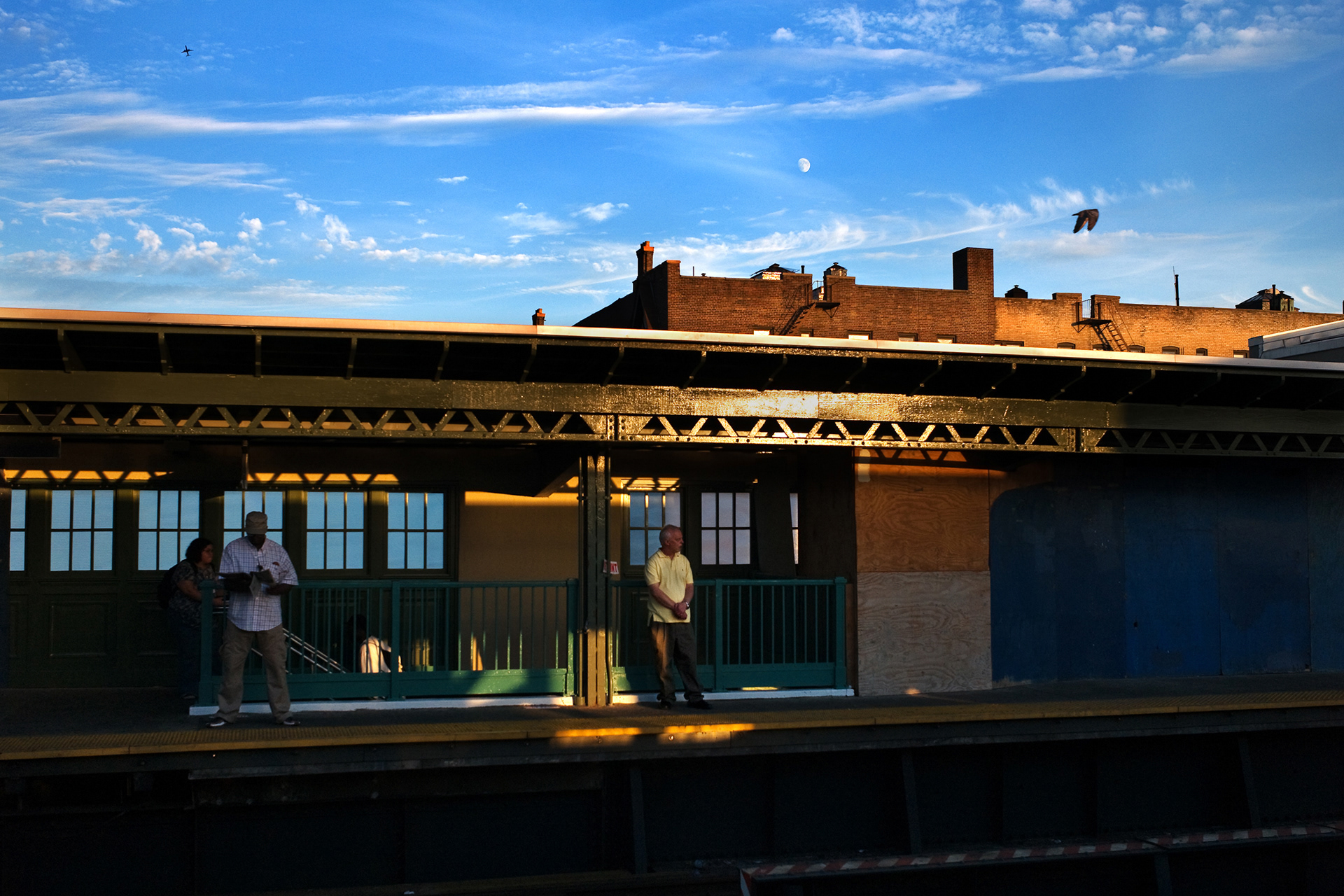
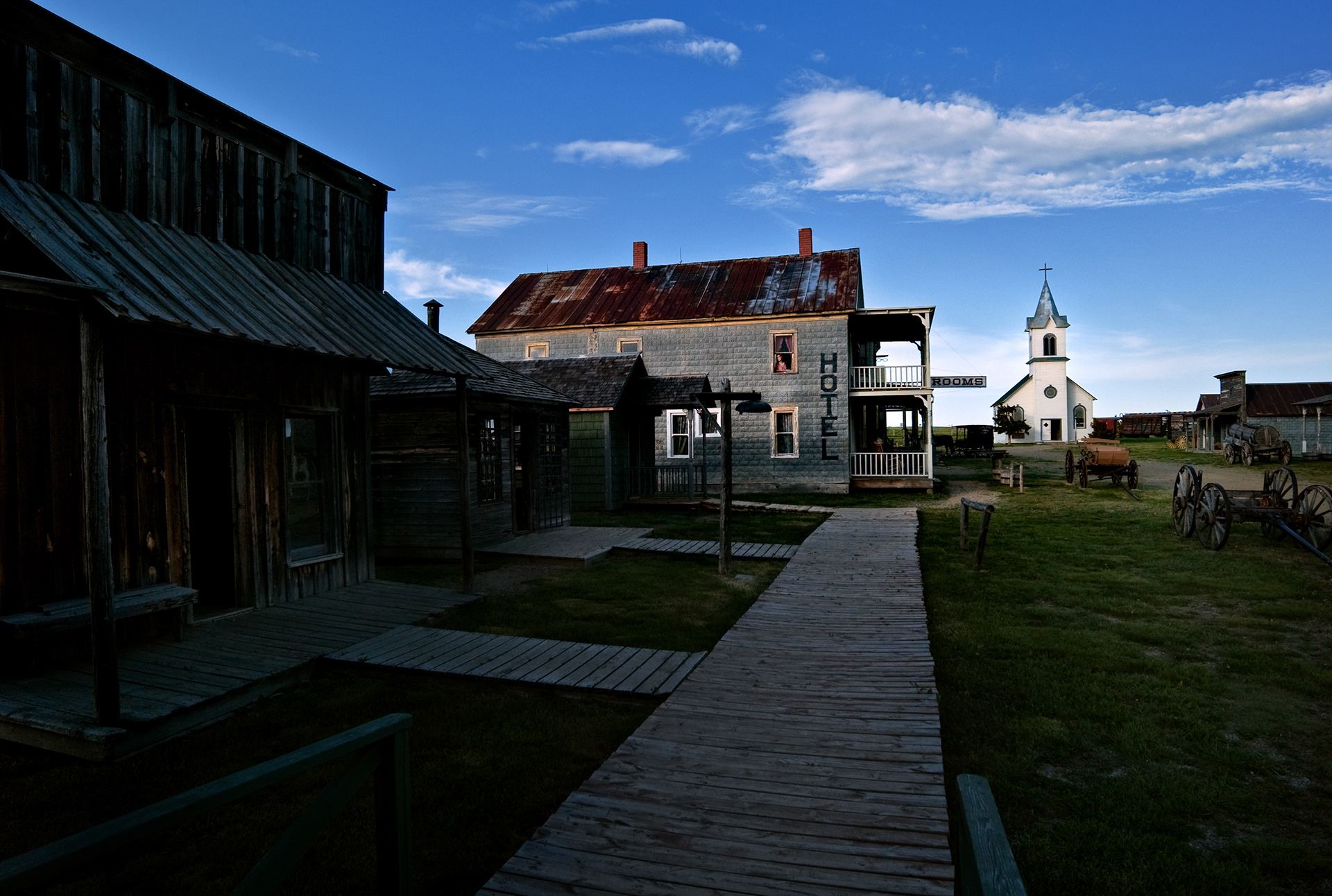
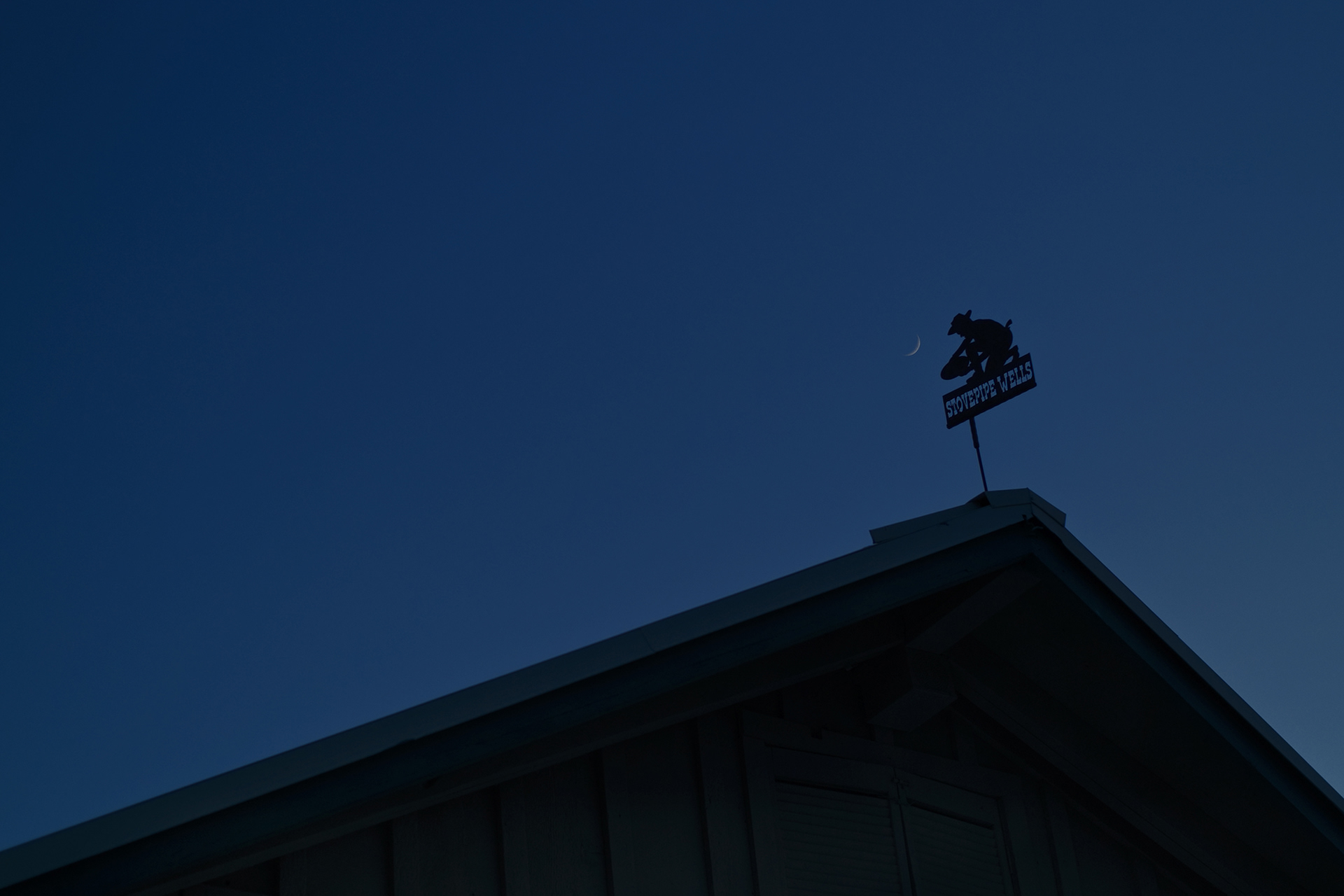
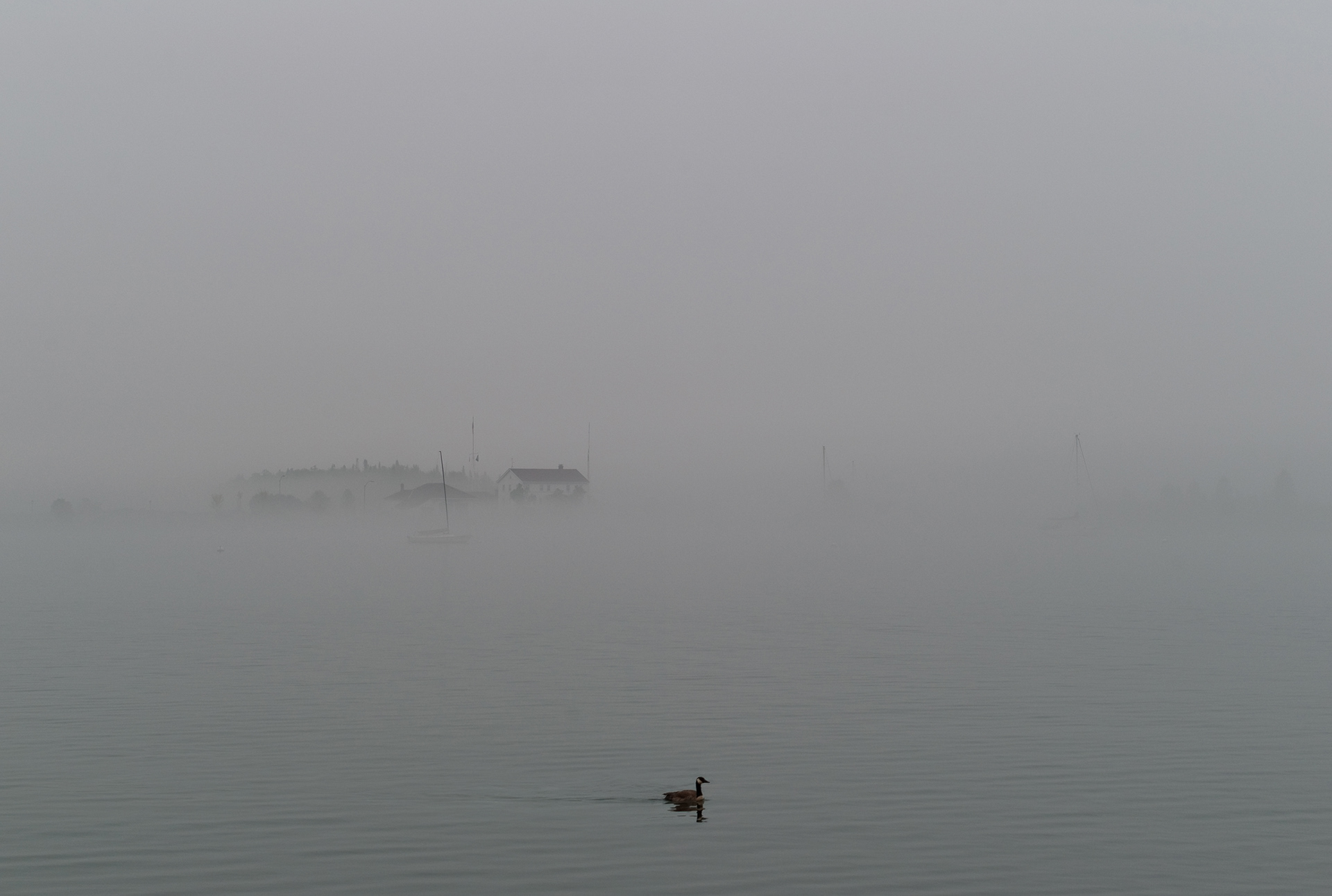
‘초현실’이란 개념은 기괴함 혹은 거부감과 연관되어 있다. 그러나 이번 전시에서 보여지는 이호도의 ‘초현실’은 시적이고 ‘동화적’이다. 승강장 하늘에 떠있는 달과 새와 까마득히 날아가는 비행기, 개와 함께 산책하는 두 사람, 저녁노을을 쳐다보는 어른들의 전경에 뛰어 노는 어린이들, 초생달을 받쳐드는 지붕 위 철판 조각, 모텔 창문에 기댄 마네킹 등등에 어떤 상징이 깃들어 있는 것은 아니다. 작가는 단지 우리를 잊혀진 동화의 세계로 초대하는 것이다. 우리는 거기서 현실에서 얻을 수 없는 여유를 얻게된다. 해질녘 인적이 드문 시간대의 작은 모티브들은 낭만적이기까지 하다.
오늘날 무엇으로 예술을 하는가는 문제되지 않는다. 중요한 것은 ‘작품’이 되었는가? 작품에서 예술적 감수성이 전달되고 있는가? 하는 점이다. 기교는 예술적 감성을 뒷받침할 때만 가치를 지닌다. 흑백의 정갈함이 컬러의 다채로움을 냉소로 대할 자격은 없다. 디지털의 완벽함이 아날로그의 고된 암실을 부러워할 필요도 없다. 이호도의 작업들은 매체논쟁이 끝났음을 다시 확인해주고 있다. 그의 사진들이 보여주는 것은 어딘가 한 순간의 단순한 기록이 아니라, 그때 가졌던 느낌의 표현이며, 그 광경은 ‘초현실적’이고 미적이다.
A giant animal is raising its head on the vast meadow horizon. What is that? A cow is standing like a guard on the smooth ridge on a cloudy day. How come it is so big? The artist created the unrealistic proportion with his innocence of artistic and it captured my eyes even though I know that they were just sculptures.
Illogical, surreal scenery is one of the possibility of artistic photography that photographer, Lee Ho Do tried to show. It has been assumed that only the fine arts can express surreal not photograph. We can draw Centauer, but Centauer should be in front of a camera to take a picture of it. It has not been long since expressing surreal became practical in the field of photography. At the beginning, analogue photographers assembled reality with scissors, glues and blushes to create surreal. Later, digital cameras and computer opened new possibility to assemble surreal state perfectly for photographers. Today, even analogue photographers are using computers or scanners to fusion motives and convert colors. Those who don’t want to transform their works exhibit ‘unrealistic reality’ through performance or composition. ‘Photography is report and document’ became an old pride. However, Lee’s works are not the results of montage or artificial composition. Lee shows unrealistic reality without any artificial composition or assembly of images.
Strolling people with The Alcatraz island in the background and a bird in the sky, two dogs from nowhere on the isolated freeways, particularly small chapel on the boardwalk, a traveler on the cliff against the sea are the examples of the fictional sceneries that Lee is pulling off while carrying out traditional photographic functions. It seems like that Lee is trying to emphasize that ‘surreal’ or ‘illogical’ sceneries can be found in the reality which normally expected to be seen in dreams. Actually there are many relationships that are not seen very ‘realistic,’ but they are not noticed or troubled by problems because those relationships are undeniably ‘reality.’ It is totally Lee’s artistic interests that made the ‘strange,’ ‘unexpected,’ and ‘surrealistic’ sceneries approachable. Not only had the relationships of the motives but also the colors of background exposed Lee’s ‘surrealistic’ in his works. ‘Strangeness,’ ‘otherness,’ and ‘surrealistic’ are the values of Lee’s work that are connected from his first work.
Lee’s works in his first exhibition MOMO:REAL were originated from Lee’s own memories about American backwoods. However, the sceneries that Lee is showing are not the odd sceneries but ‘different’ sceneries. In addition, it was not the compositional motives but the colors that differentiated the works so that they are characterized as ‘otherness,’ ‘unfamiliarity,’ and ‘surrealistic’. Lee waited to press the shutter release button until other travelers left the site for dinner to capture the Grand Canyon’s stratums and ranges colored by setting sun and empty freeway link to the horizon. Color change created now bleak and then solemn landscape along with the natural darkness. What the Lee memorized (MEMO:REAL) in his first works' exhibition were ‘different colored’ Grand Canyon, ‘surrealistic’ Grand Canyon, and very aesthetic Grand Canyon.
‘Surrealistic’ concept is linked to mysteriousness or repulsion. Lee’s ‘surrealistic’ is poetic and tales like imagination, though. There are no symbols in the pictures of moon and bird, and flying plane, strolling people with dog, running children, an iron plate on a rooftop, and a mannequin leaning against the motel’s window. Lee is just inviting us to the forgetting world of fairy tales. We can regain our composure from his works. Small motives in a desolated time zone are so romantic.
What the art is made with is no more an issue now. Whether it becomes an ‘art’ or whether it shows the depth of sensitivity is the most important. Technique has its value only when there is artistic sensitivity. The virtue of black and white does not hold any qualification to laugh at the variety of colors. Digital perfection does not need to envy analogue darkroom. Lee’s works confirmed the end of the medium dispute. What we see from his works are not just documents of moments but the expressions of current feelings and they are ‘surrealistic’ and aesthetic.
숭실대 철학과 겸임교수, 철학박사
박 상선