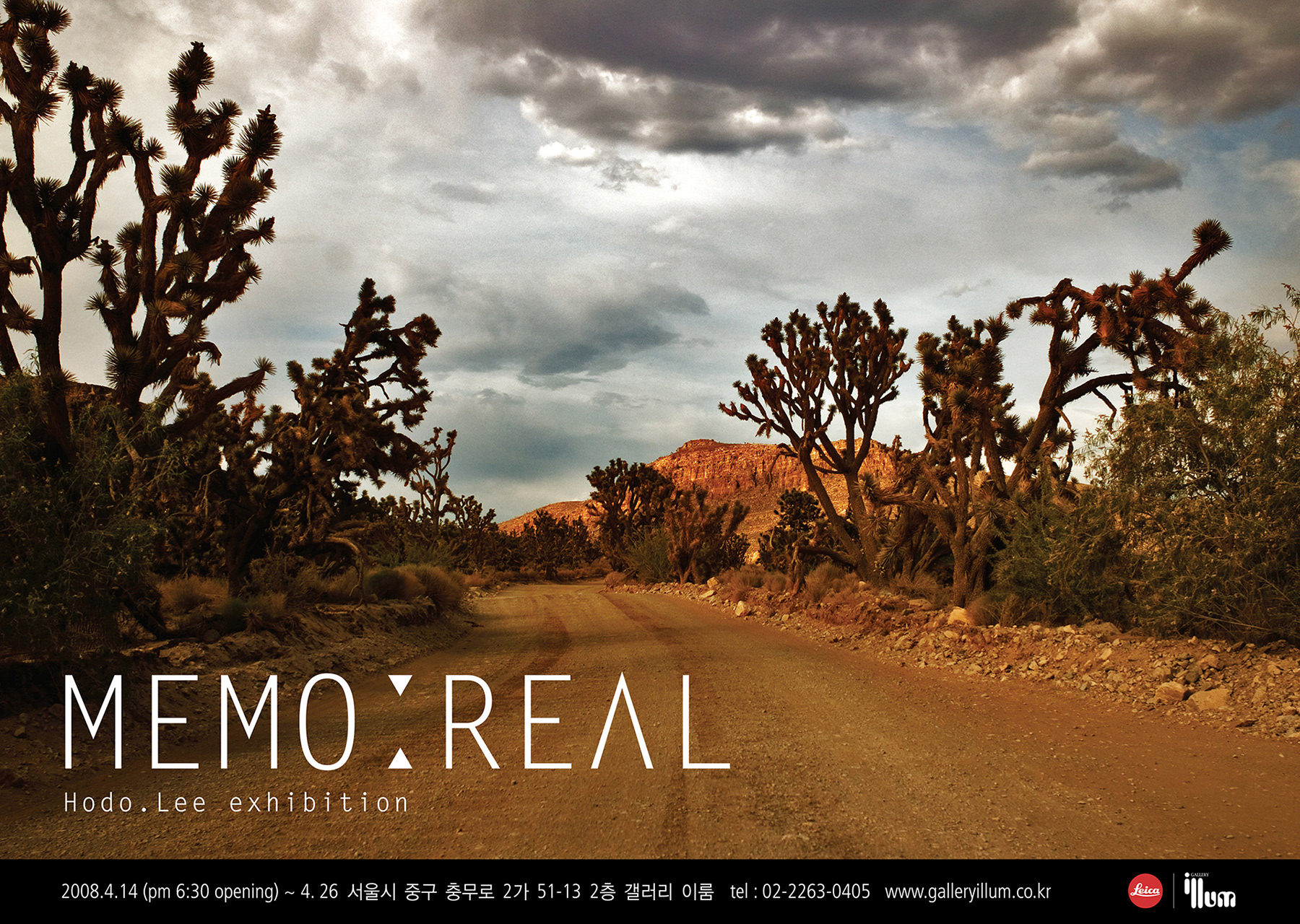
MEMO:REAL | 2008





기억과 이미지
우리의 기대와는 달리 기억은 매우 불완전하며, 때로는 현실을 왜곡한다. 기억이라는 것은 단순히 과거의 사실을 저장하고 재현한 것이 아니며, 오히려 과거의 지각이나 활동의 조각들을 현재의 시점에서 새롭게 조합하고 재구성하여 만들어지는 것이다. 우리가 객관적 사실이라고 믿고 있는 기억의 상당수는 전혀 객관적이지 않은, 철저히 현재의 상황과 연관되어있는 주관적인 것일 뿐이다. 이러한 불완전한 기억을 보완하고 기록으로 남기기 위해 인간은 문자를 만들어내었으며, 그 결과 언어를 기록할 수 있는 장치를 갖게 되었다. 그리고 사진의 발명을 통해 ‘시각’을 기록하는 것이 가능해졌다. 사진은 시각적인 대상을 물리적, 화학적 과정을 통해 자동적으로 복제해내는 도구이며, 이러한 재현 과정에 인간의 주관이 개입할 여지는 거의 남아있지 않았기 때문에 발명 직후부터 객관성을 가진 기록수단이라는 공인을 쉽게 얻어내게 된다.
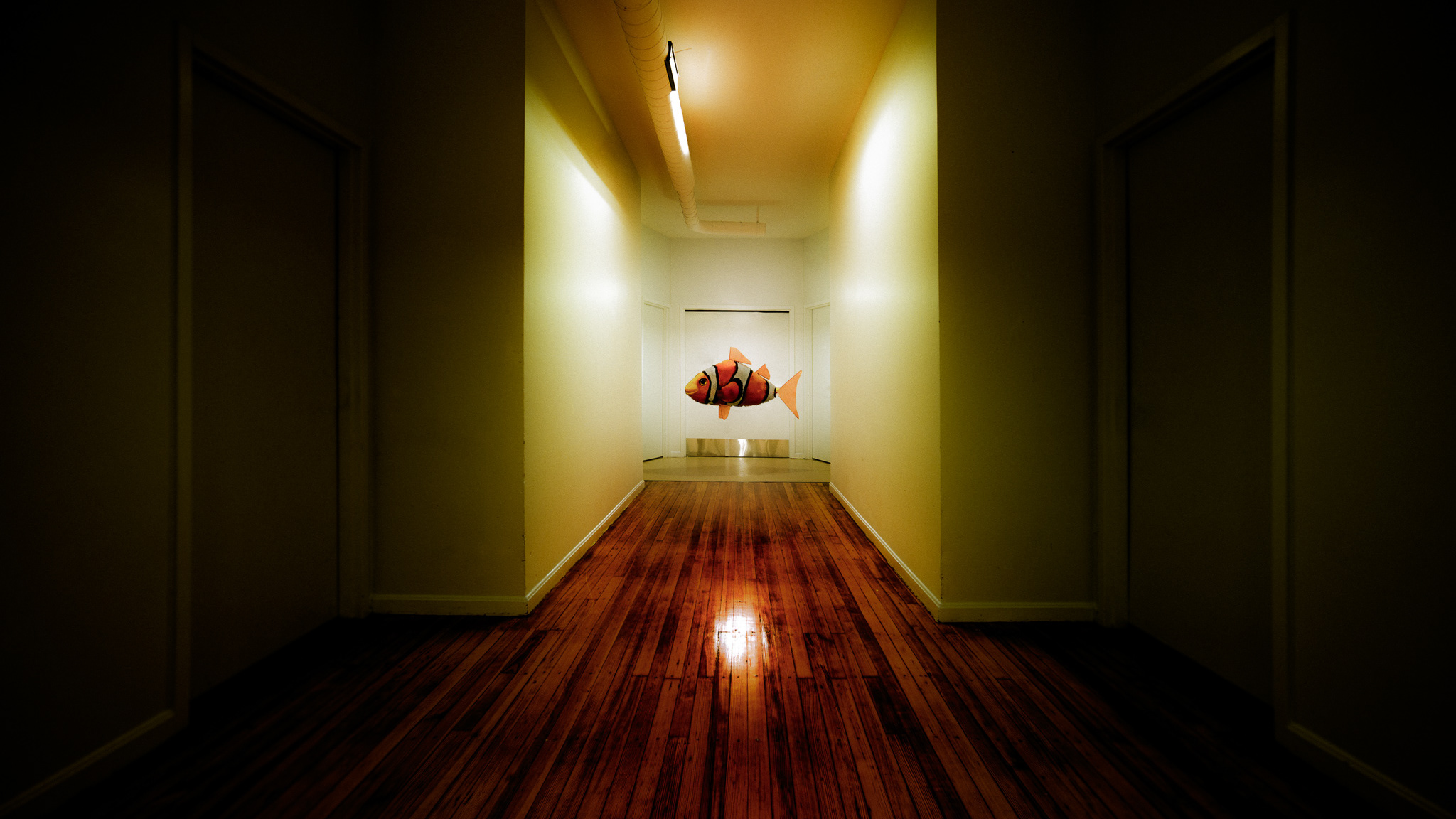
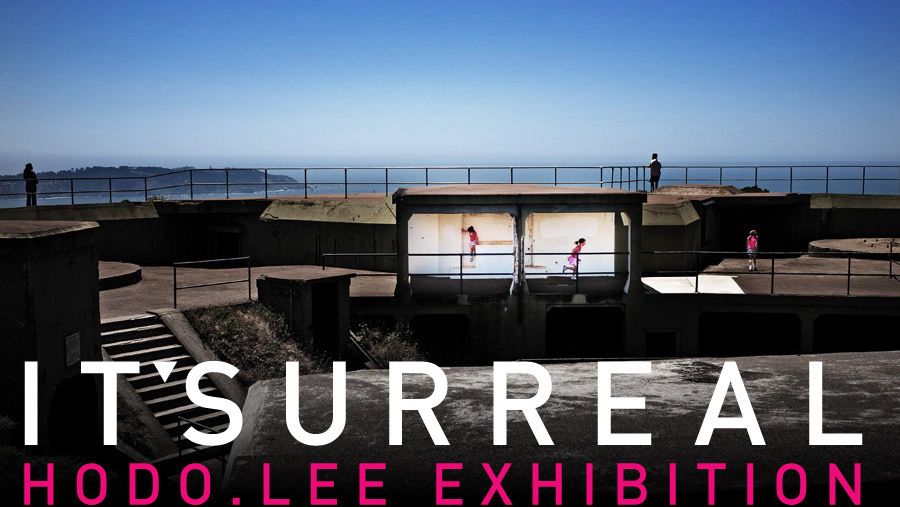
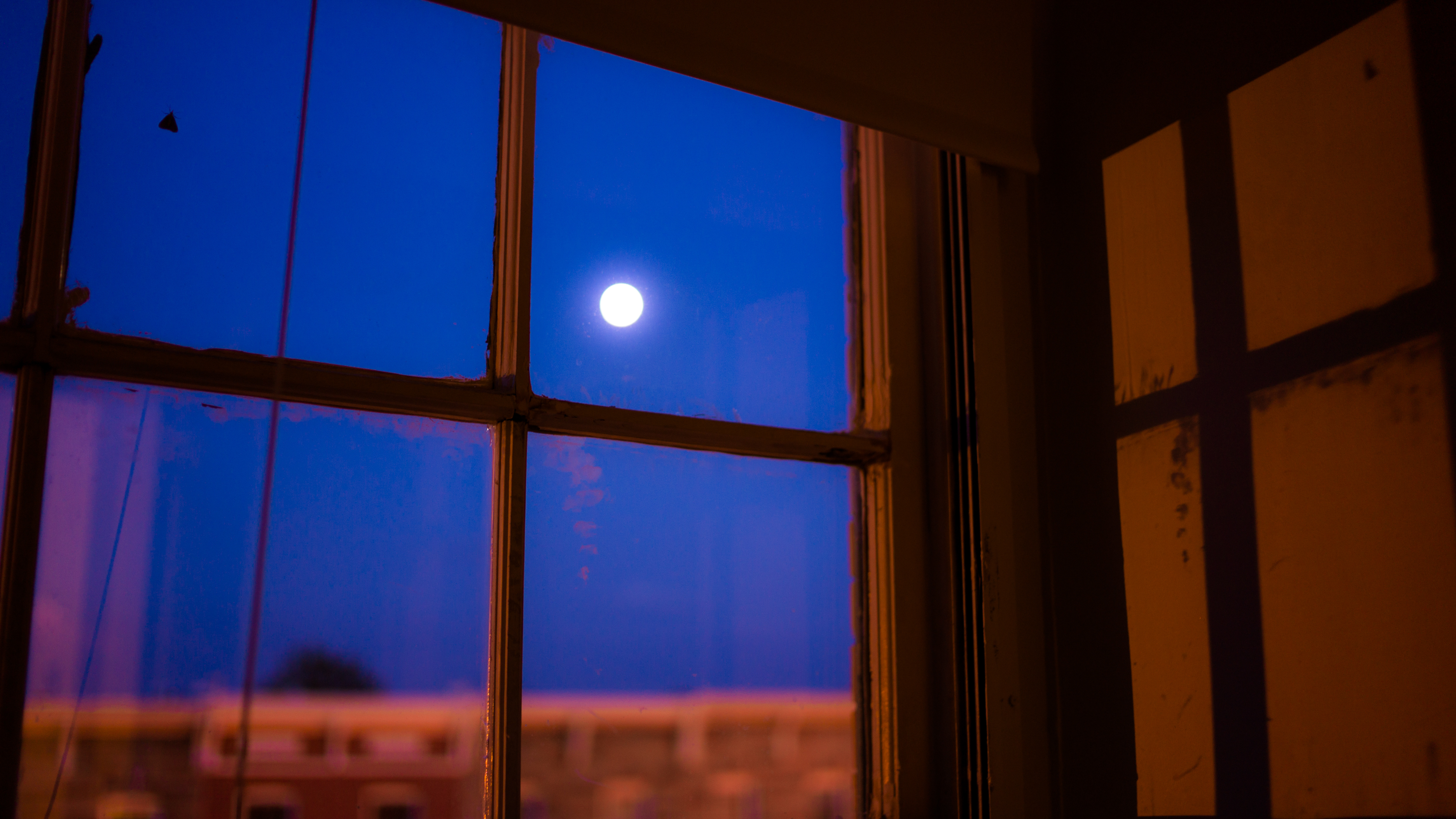
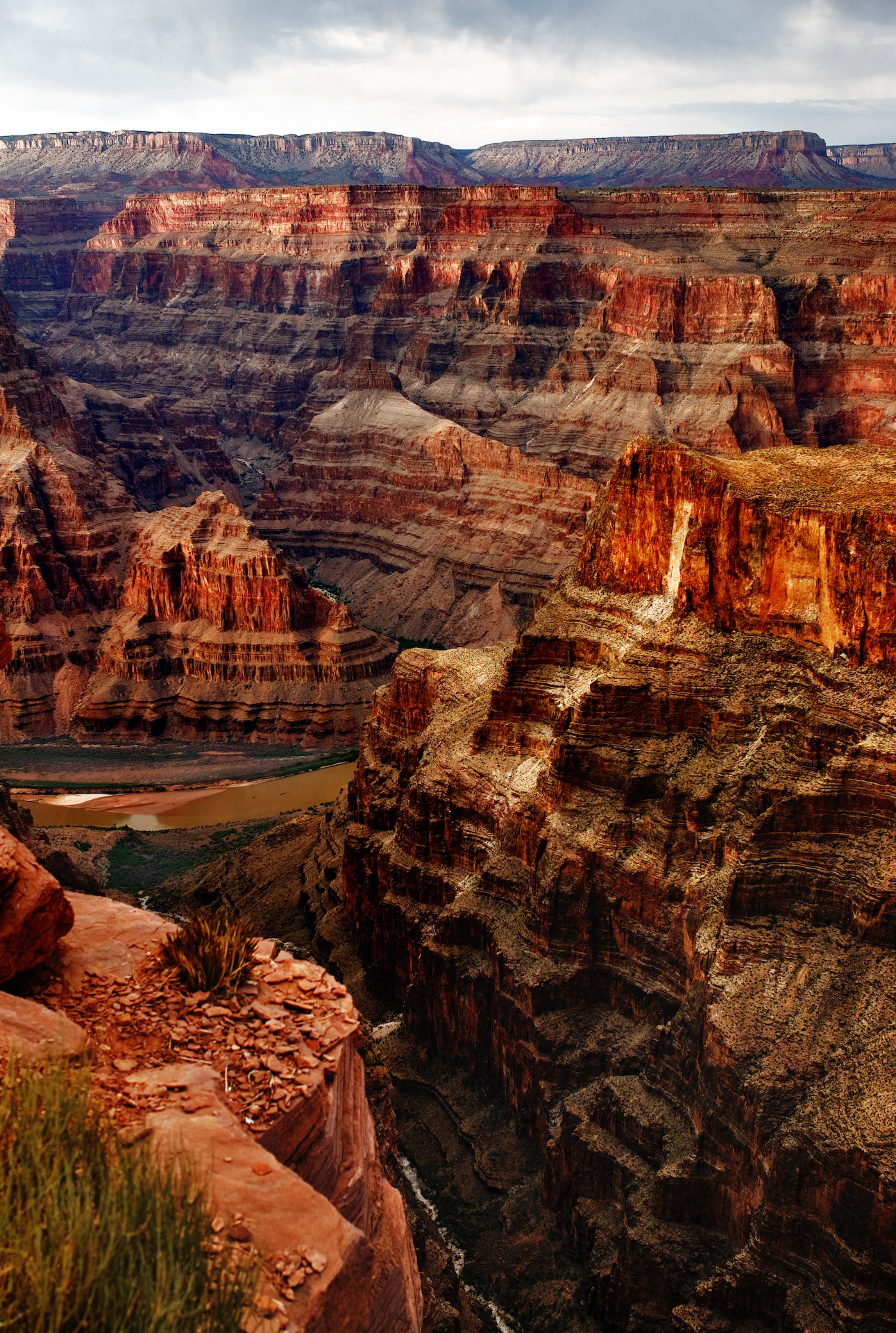
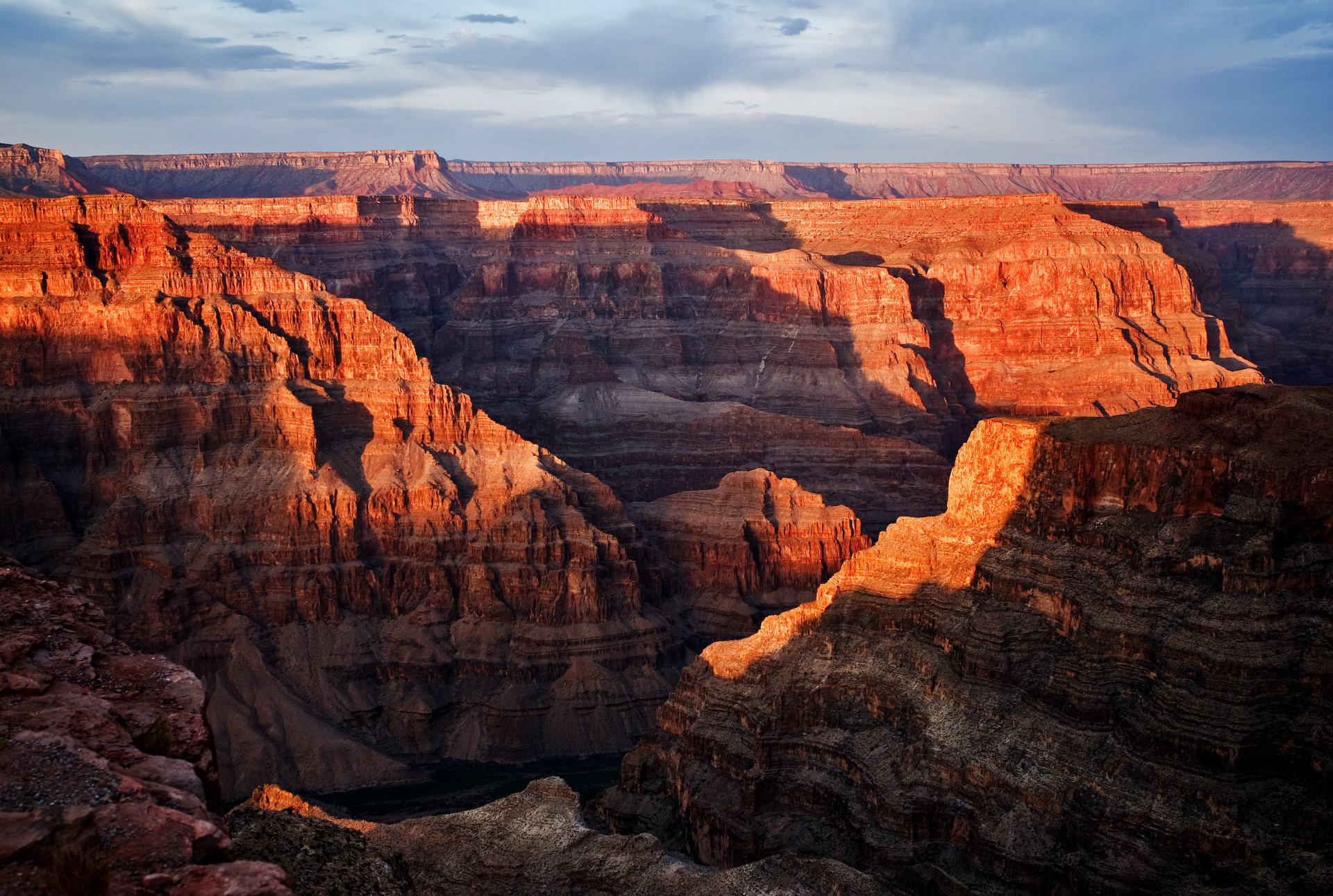
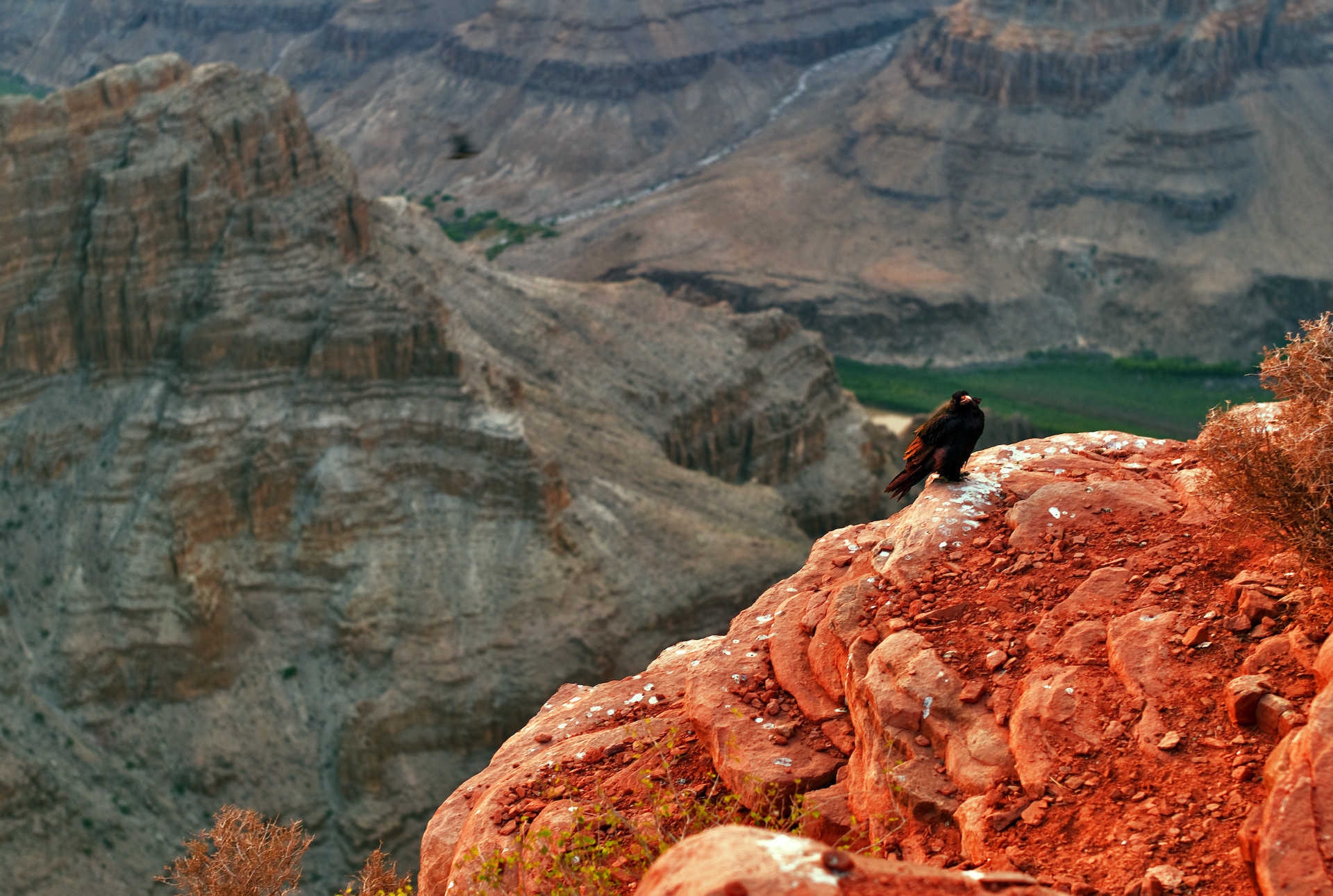
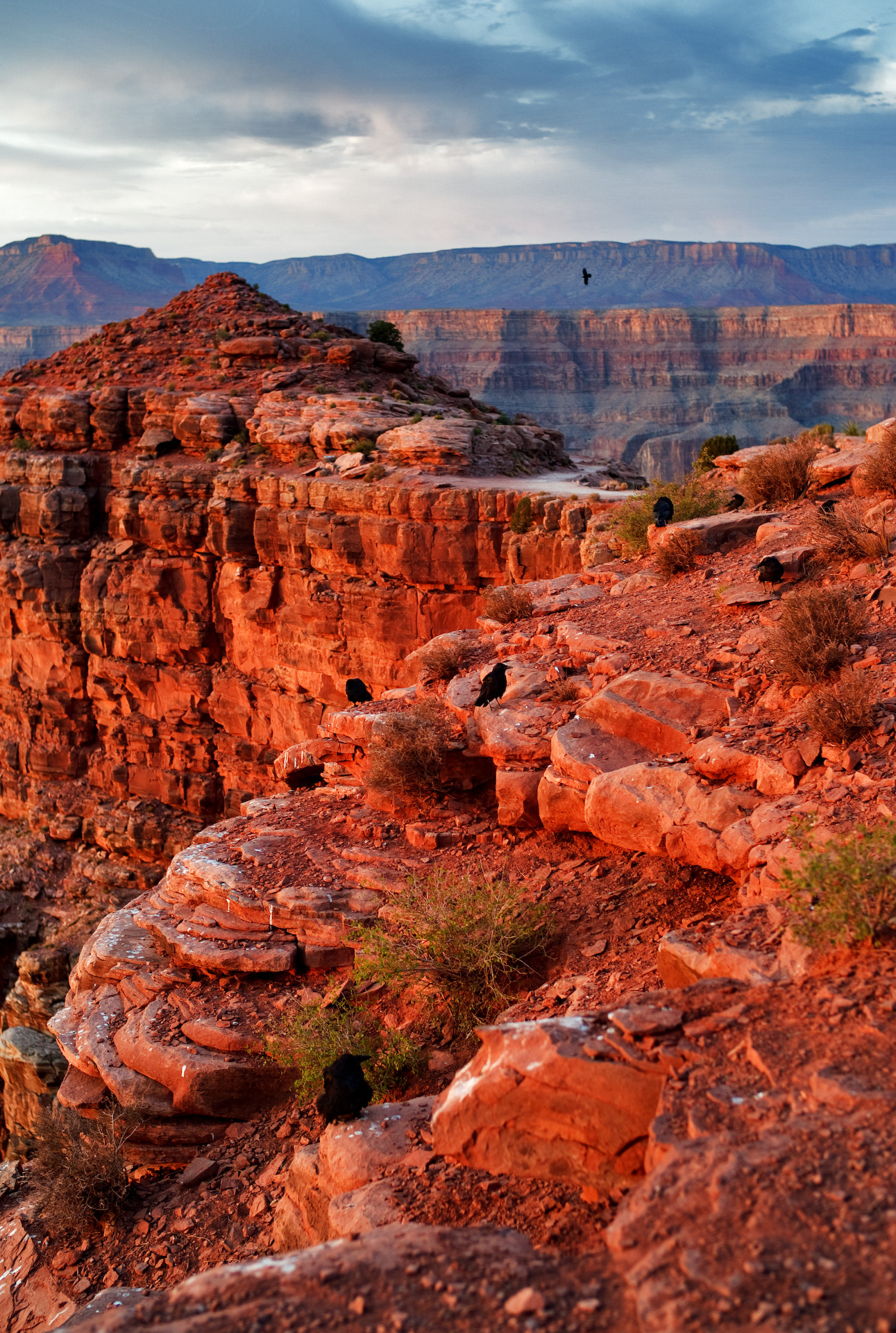
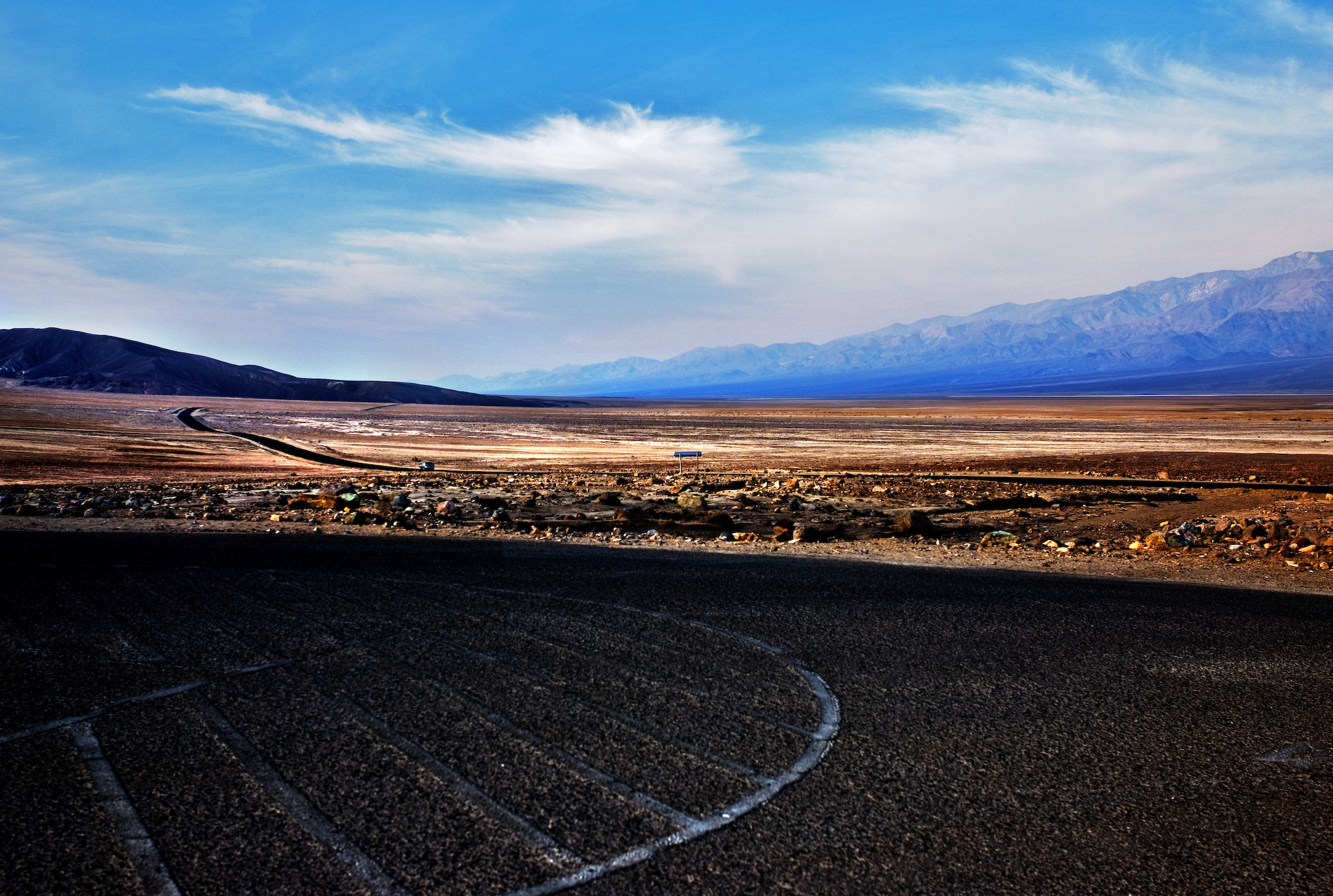
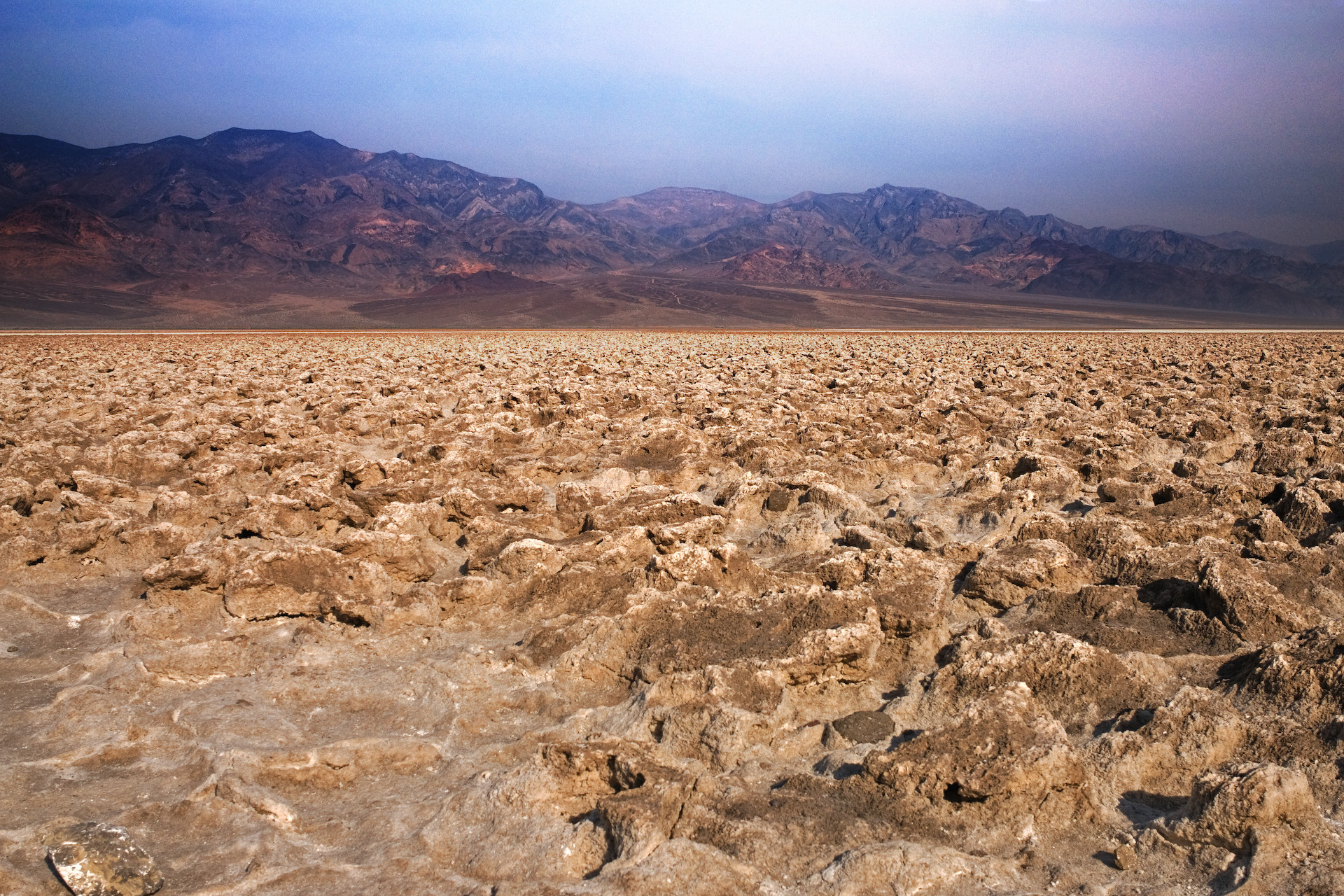
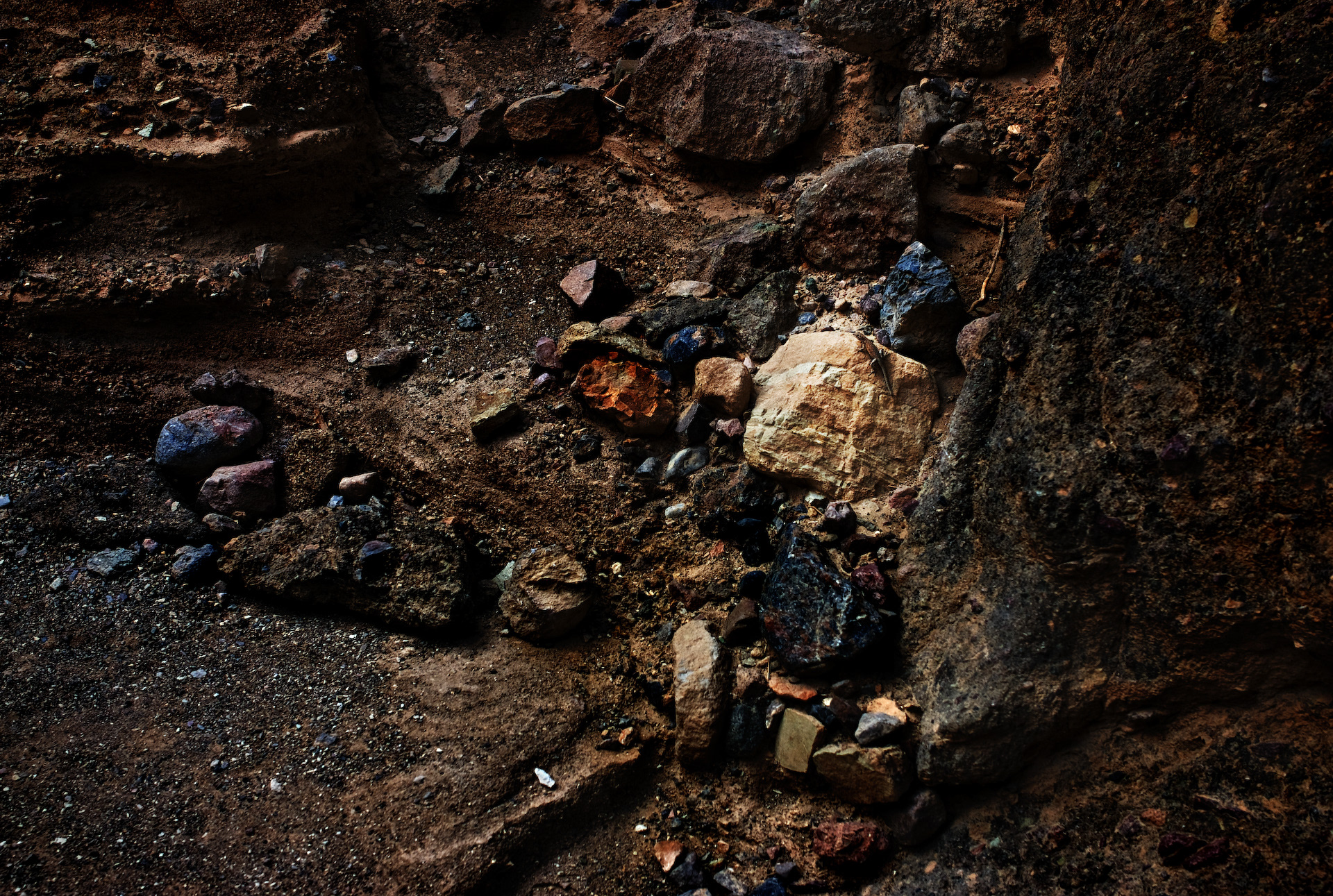
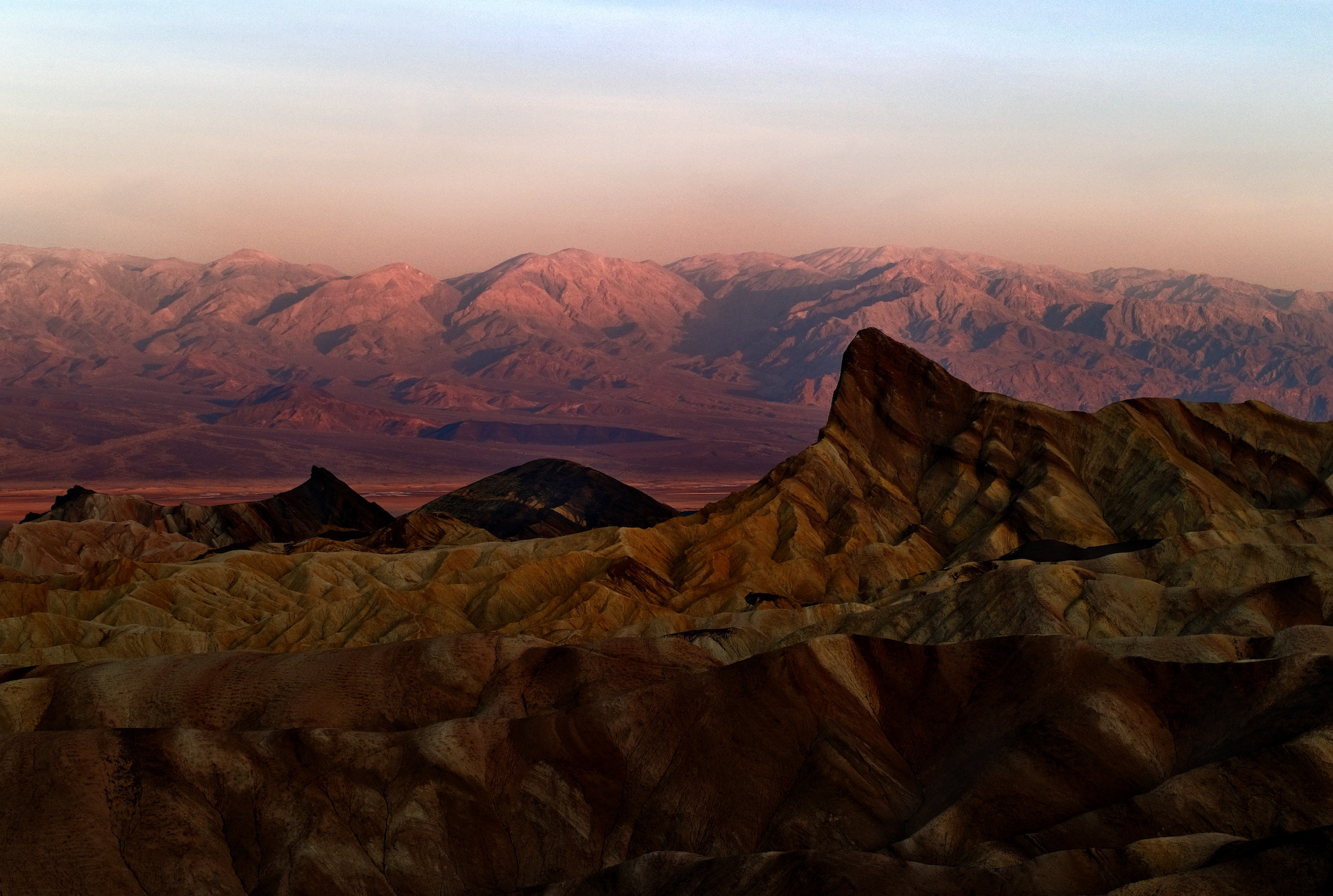
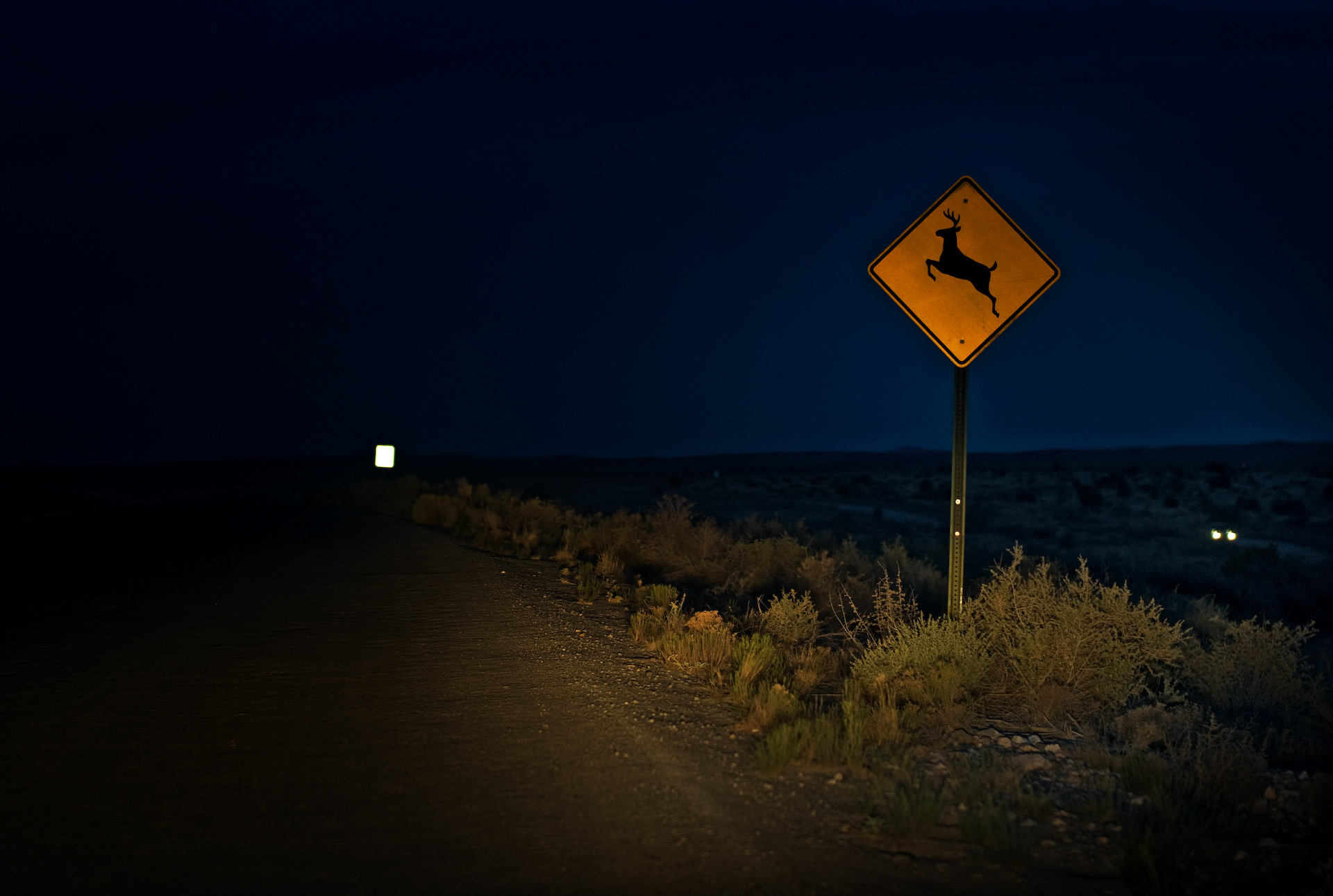
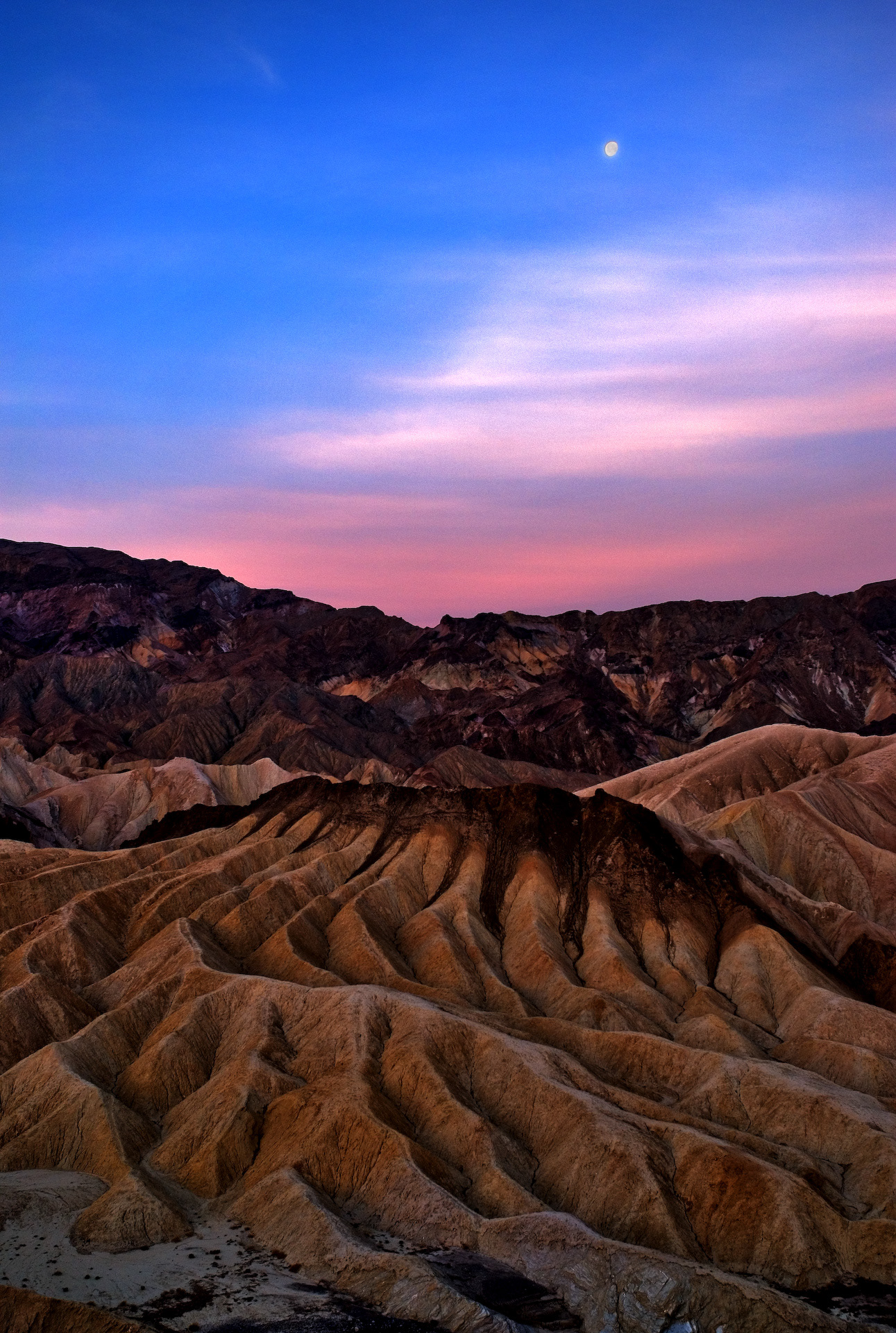
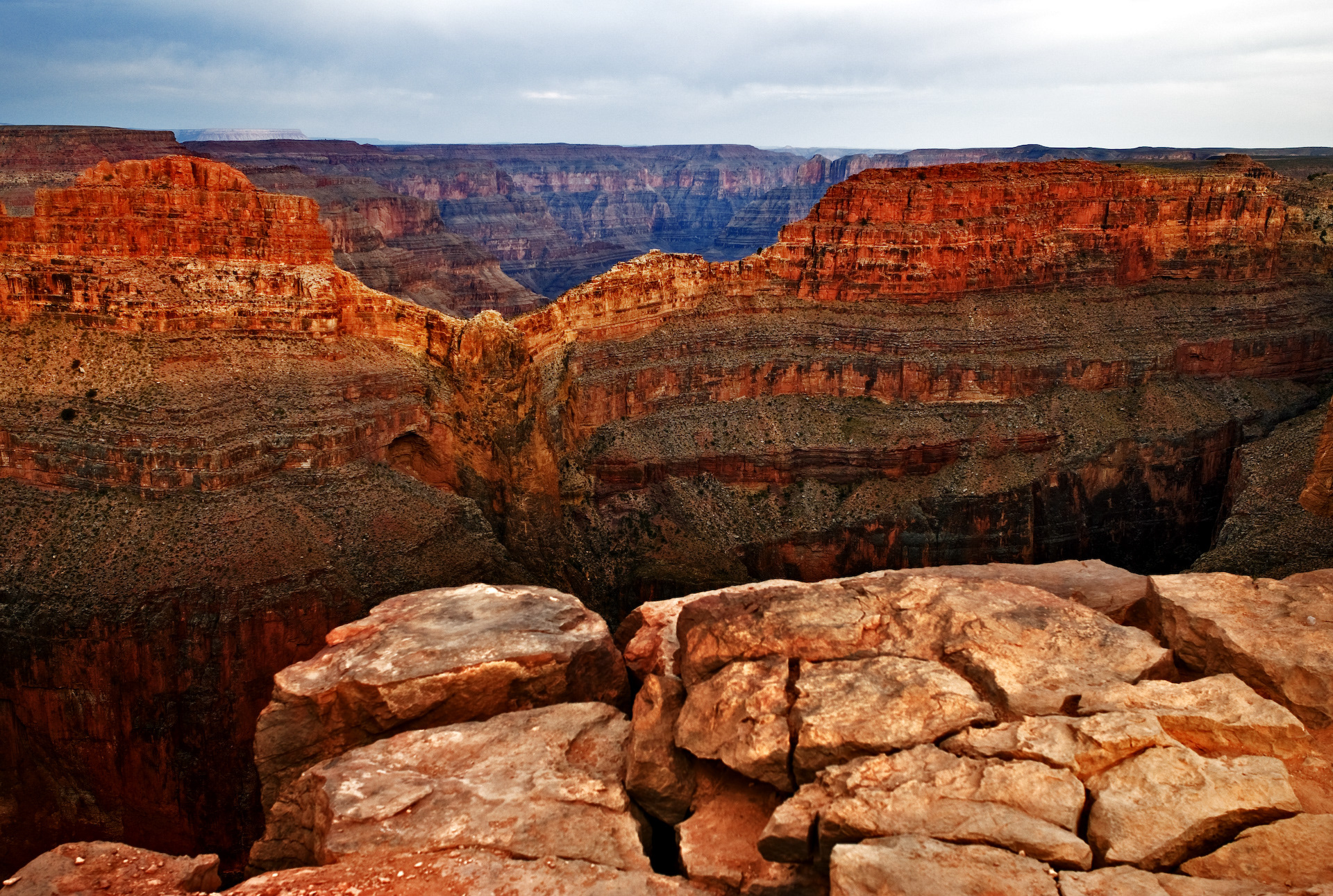
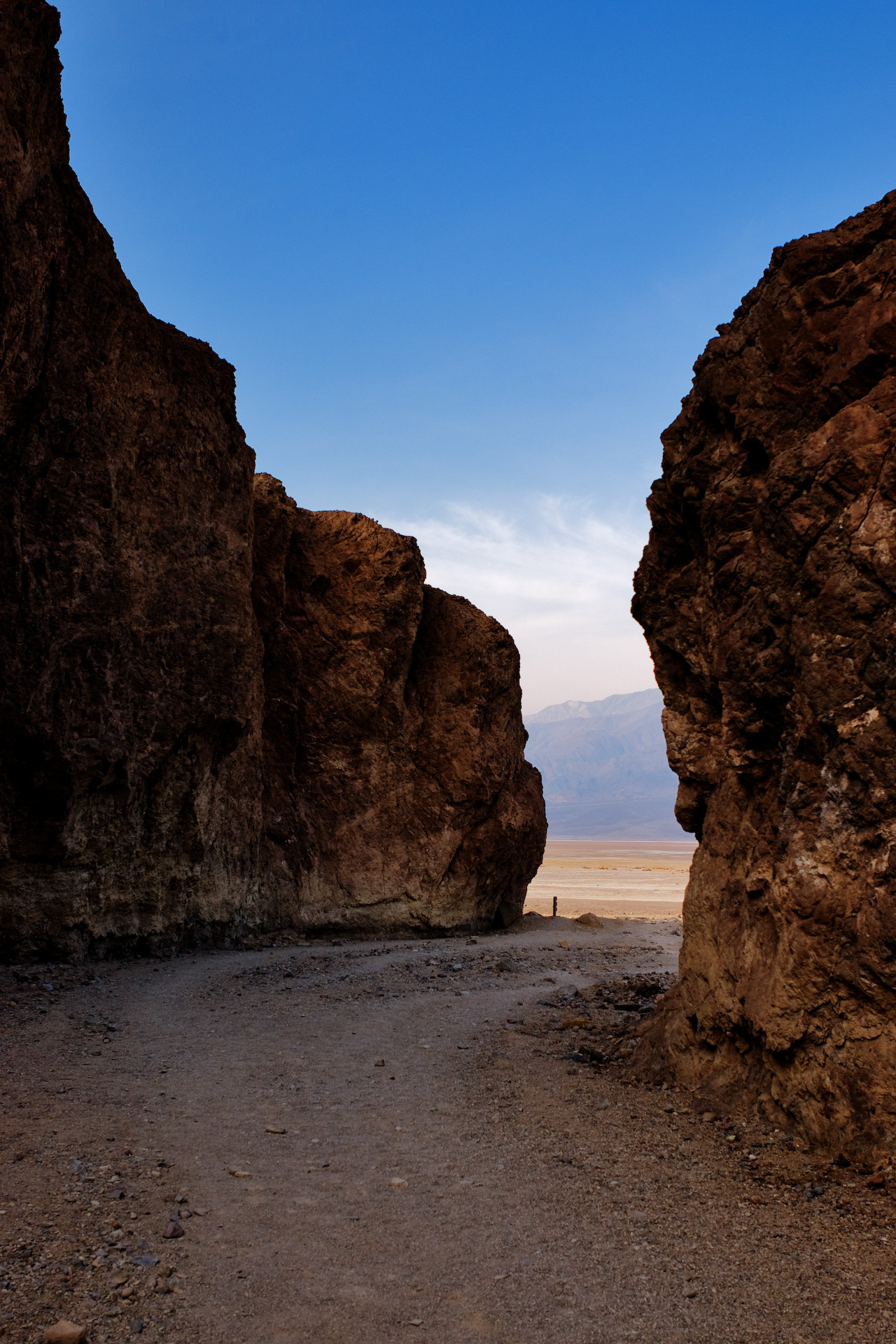
이호도의 작품은 마치 영화의 한 장면 같은 느낌을 준다. 실제 세계보다 더 실제처럼 보이기 위해 특수효과로 무장한 블록버스터같은 사진들. 그리고 이 평범해 보이는 작품들이 풍경사진의 범주를 넘어 특별한 의미를 지니게 되는 것은 바로 이 사진들이 ‘사진의 객관성’과 ‘기억의 주관성’ 사이의 어느 한 특정한 지점에 놓여있기 때문이다. 그리고 이 지점은 단순히 객관성과 주관성 사이의 중간지점이 아니라, 사진이라는 매체를 통해 기록된 ‘객관적 형태’와, 작가의 기억 속에 남아있는 ‘주관적 색채’가 결합하는 지점이다.
플라톤은 유명한 ‘동굴의 비유’를 통해 이데아와 이미지의 관계에 대한 사려 깊은 메타포를 제시한다. 동굴 안의 죄수들은 동굴 벽에 비친 그림자를 실제 세계로 인식하지만, 오히려 그것은 실재하지 않는 허구일 뿐이다. 이렇게 이미지가 만들어내는 허상으로부터 벗어나는 최상의 방법은 시선을 돌리는 것이다. 즉, '이미지에서 사유로' 포커스를 옮기는 것이다. 그리고 이러한 사유는 기억을 통해서 가능하다. 인간이 태어나기 이전에 영혼을 통해 본 이데아를 단지 ‘다시 기억해냄’으로써 인식이 가능하기 때문이다. 따라서 플라톤에게 있어서 기억은 이미지를 넘어 이데아를 찾아가는 지표가 된다.
바로 여기에서 객관성과 주관성, 이데아와 이미지 사이의 의미의 전도가 일어난다. 눈에 보이는 그대로의 세상은 이미지일 뿐이고, 이데아는 우리의 기억 속에 있다. 이호도의 작품이 놓여있는 곳은 실상은 객관성과 주관성, 이데아와 이미지가 종축과 횡축을 이루며 만나는 교차점이다. 이런 의미에서 이호도의 작품은 단순한 풍경을 넘어 사진을 둘러싸고 있는 여러 미학적 가치들에 대한 철학적 사유인 셈이다.
Unlike our expectations, memory is imperfect and it sometimes distorts reality. Memory doesn’t simply stores nor revives past truths, yet it recreates activities and perceptions from the past based on current perspectives. Most of memories that we believe objective facts aren’t nearly objective. As a matter of fact, these memories are most definitely subjective matters that are closely linked to present situations. As a tool to supplement such imperfect memories, humans invented letters. As a result, they obtained equipment to record such memories. And, invention of photography allowed us to record “visuals.” Immediately after its invention, photograph has been considered as an absolutely objective instrument for recording memories because it is a tool that automatically reproduces visual images through the process of physics and chemistry, and such reappearing procedures do not allow any human intervention giving impression.
Hodo Lee’s works give away an impression that it is almost like a scene from a movie. Blockbuster looking pictures armed with special effects look like more real than the real world. What makes such ordinary looking landscape photos to have extraordinary meanings is that these photographs are placed in somewhere between “Objectivity of the photograph” and “Subjectivity of the memory.” In addition, these photos are not simply placed in the center point of the subjectivity and objectivity, instead, these are placed where “objective configuration” recorded by the tool of photography and “objective colors” recorded by artist’s memories are combined.
Platon expresses the relationship between “idea” and “image” using metaphors through his infamous work “Allegory of the Cave.”Prisoners in the cave perceive shadows reflected on the walls of the cave as reality, and yet, these were only non-existing lies. Only way to escape from such lies created by images is to look away. In other words, it is necessary to transfer from images to reasons. And, these reasons are possible through memories. It is possible for human to recognize “idea”, they saw through their spirits before they were born, only through “re-remembering.” Therefore, to Platon, memory is something beyond image that is an origin seeking “idea”.
At this point, different branches of definitions of idea and image take place between objectivity and subjectivity. The world perceived through our eyes is simply an image, and “idea” is in our memories. Hodo Lee’s work is placed where “idea” meets image, forming horizontal and vertical axis. Therefore, Hodo Lee’s photographs exceed simple resemblance of landscape, but rather provide philosophical reasoning for the values of beauty that these landscape possesses.
서울대학교 박물관 큐레이터
선 일